
1. Why Flash Belongs in the Sourcing Conversation
What Flash Is in Silicone Molding
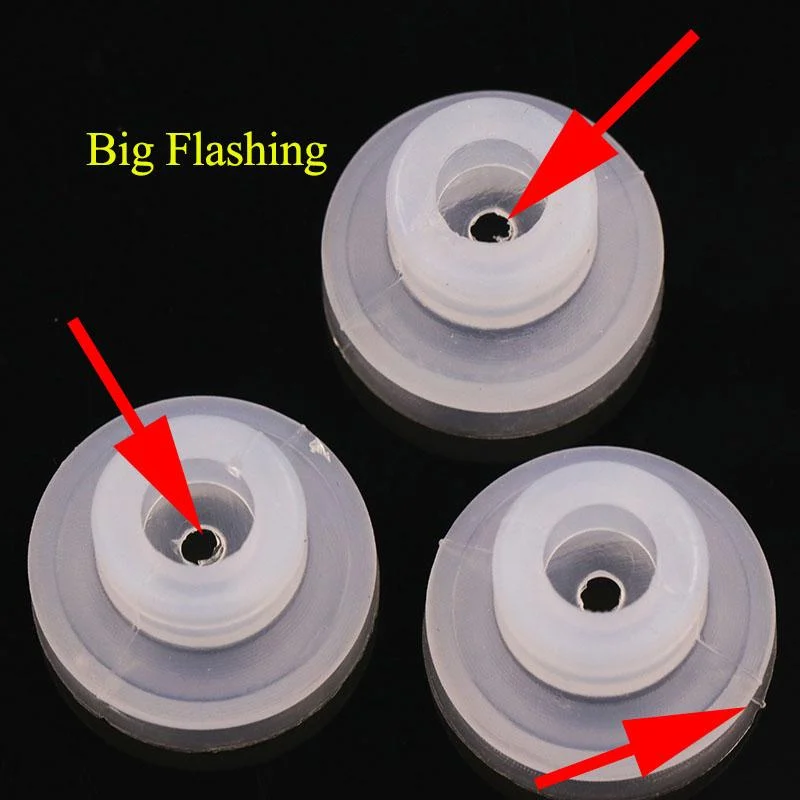
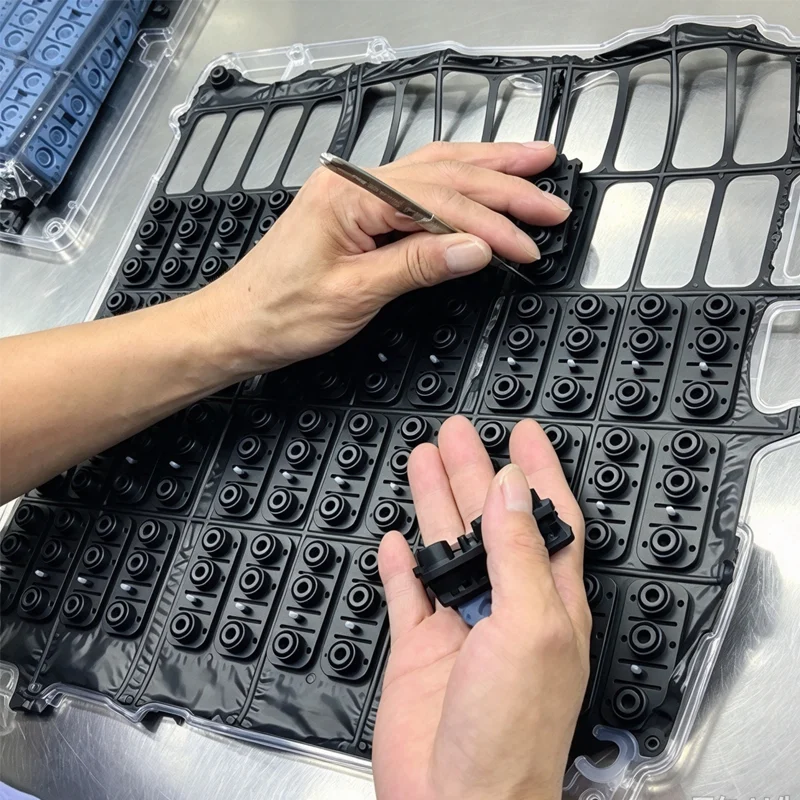
Flash is excess material that escapes the cavity through gaps at the parting line, around inserts, at ejector pins or through vents, then cures and stays attached to the part. In silicone, the material cures in a heated mold, so the escaped film hardens in place.
Where the Cost Shows Up
Flash affects a buyer’s business in three places: sealing performance on functional parts, cosmetic acceptance on visible parts, and labor cost when deflashing becomes a manual step. Unstable flash levels also make incoming inspection harder to standardize across batches.
Why It Is Decided Before Production
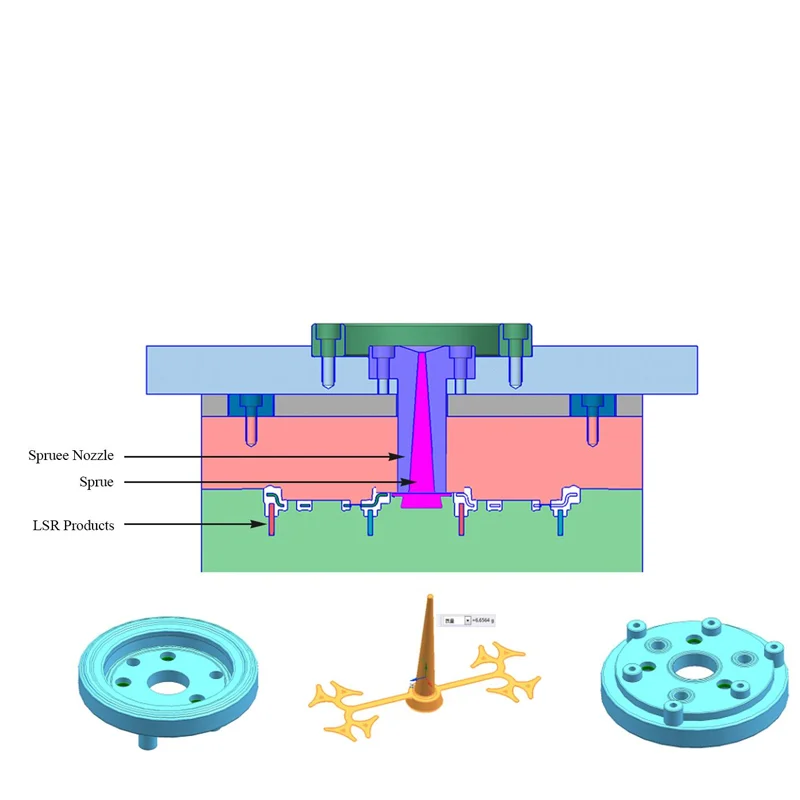
Most of the variables sit in the tool: how the parting line seals, how air escapes and how the mold holds alignment under pressure. That is why the mold approval stage carries more leverage than any adjustment made later on the press.
2. Market Observation: What Current Engineering Sources Say Causes Silicone Flash
Low Viscosity Puts Pressure on Tooling Accuracy
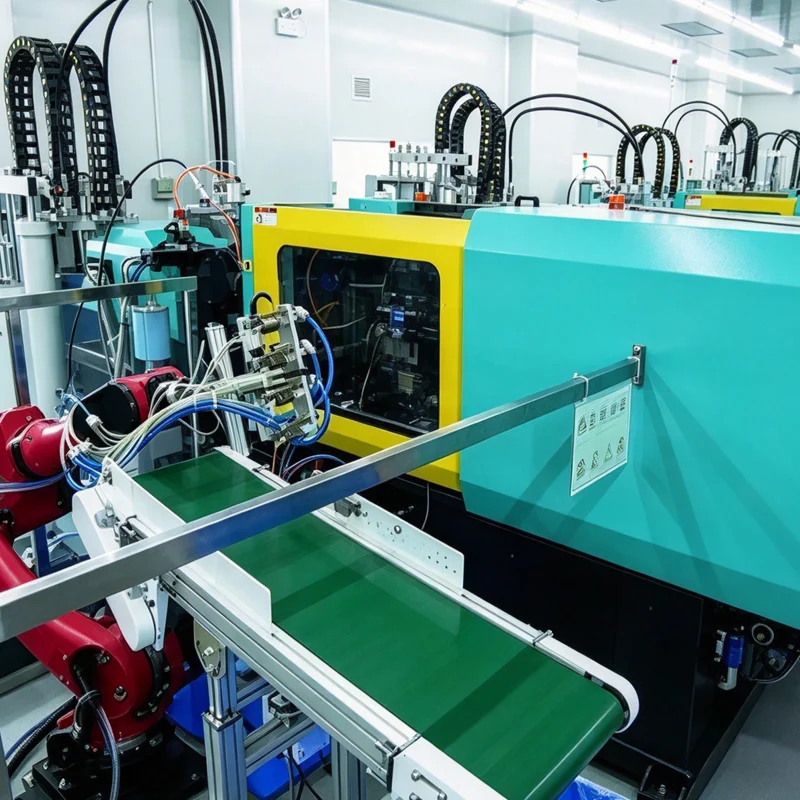
Fecision Silicone’s 2026 LSR tooling guide notes that liquid silicone rubber has very low viscosity, fills cavities quickly, cures in a hot mold and can flash through extremely small gaps. Its practical conclusion is that a successful LSR mold depends on details that look secondary in a CAD review, such as where air escapes and how the parting line seals.
Parting Line Accuracy
The same guide says that because LSR flows so easily, the parting line must seal accurately to control flash. It also treats parting line selection as one of the first mold design decisions, since the line affects appearance, demolding direction, vent placement and part location.
Non-Planar Parting Lines and Side-Loads
A RapidDirect DFM guide published in April 2026 explains that stepped or heavily sloped parting lines generate lateral side-loads under injection pressure, which can push cavity and core blocks out of alignment. It gives 0.05 mm of mold shift during the shot as enough to leave a visible step and flash along the seam. The guide is written around injection molding in general, but the mechanism applies to any tool with a complex parting geometry. The same source notes that planar parting lines give the lowest tooling cost and tightest flash control, while 3D lines need slower 5-axis machining.
Venting and Air Escape
Air has to leave the cavity somewhere. When venting is inadequate, trapped air raises internal pressure and can force material into gaps. Fecision’s guide lists vent placement among the core LSR tooling decisions and says vacuum-assisted tooling can give the best venting performance for complex, large, thin-wall or multi-cavity parts.
Tool Wear and Thermal Expansion
Kenvox also names two further contributors: thermal expansion during vulcanization, and misaligned parting lines or worn tooling that create leakage points. For buyers this means flash can appear months into production even when the first samples were clean.
3. How Process Route Changes the Flash Conversation
LSR Spuitgieten
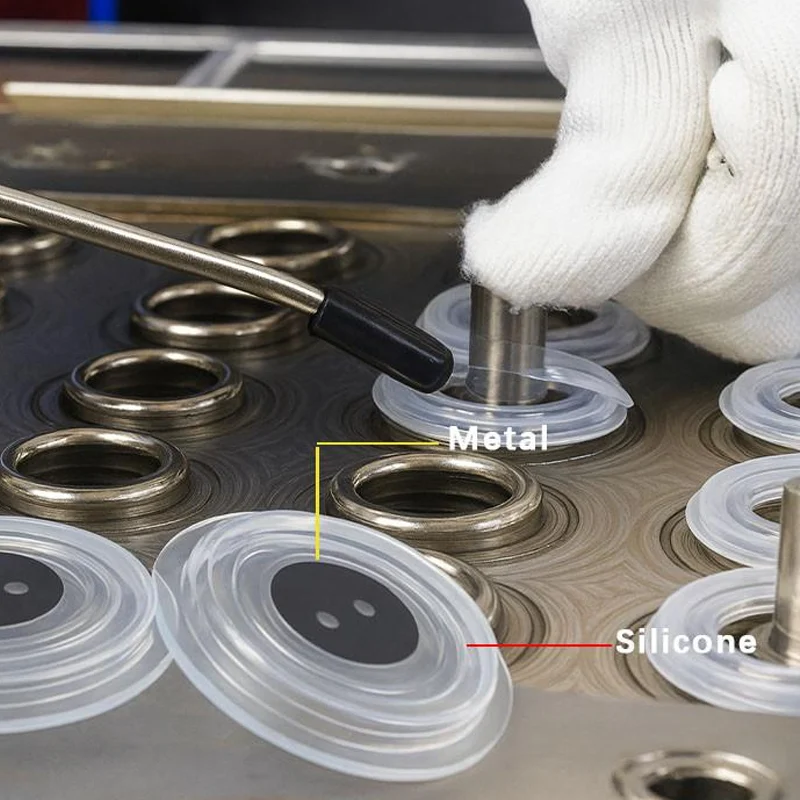
LSR injection molding suits complex, high-precision parts in volume, but the low-viscosity behavior above makes tool accuracy the central issue. Milosilicone describes its process at LSR spuitgieten, including how mold alignment and clamping force are set up at the machine.
Compression and Transfer Molding
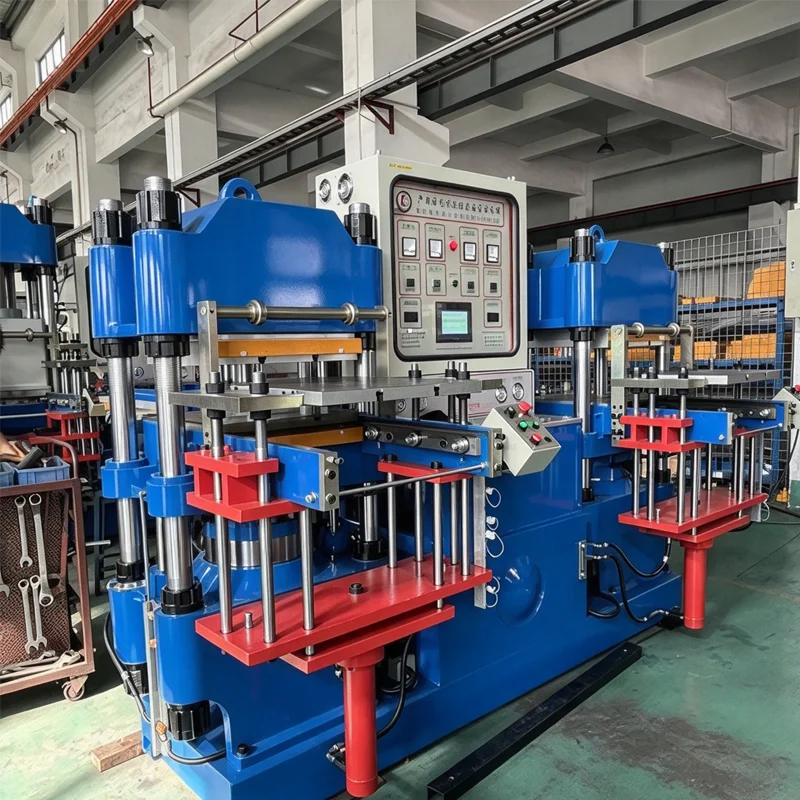
Silicone compression molding and silicone transfer molding follow different material-handling logic, and the flash conversation differs accordingly. Buyers comparing routes should ask how much trimming each route implies at their target volume and where the flash line will sit on the finished part.
Overmolding and Insert Molding
Where silicone is bonded to plastic or metal, additional shut-off surfaces appear. LSR overmolding therefore adds interfaces that need to be checked for sealing as well as bonding.
4. Milosilicone Perspective
Where Flash Is Handled in Our Process
Milosilicone’s documented LSR process includes de-flashing, post-curing, inspection and packaging as defined post-molding operations, and in-process inspection during production to catch defects early. The point for buyers is that flash control is planned as a process step, not left to chance. Details on finishing options are on the secondary processes page.
DFM Before Steel Is Cut
Our engineers run a Design for Manufacturability (DFM) analysis before tooling is made, covering parting line position, gating and venting for the specific geometry. Buyers can see the sequence, from NDA to RFQ, DFM, sample approval and production, on our Over Ons page.
Customer Observation
Based on discussions with OEM customers and project teams, silicone flash control is increasingly being considered earlier in the product development process rather than being treated only as a post-production quality issue.
During RFQ and design review stages, buyers are paying more attention to tooling-related factors such as parting line location, sealing surfaces, venting design and inspection criteria before approving molds. This reflects a broader shift from evaluating suppliers only by production capability to evaluating their engineering support and ability to reduce manufacturing risks before mass production.
5. Practical Decision Framework: Questions to Ask Before Mold Approval
Design Review Questions
- Where will the parting line fall, and does flash land on a sealing, cosmetic or assembly surface?
- Can the geometry use a planar parting line, or does a stepped line add side-load risk?
- Which dimensions on the drawing must be protected from flash?
Tooling Questions
- How are vents placed, and is vacuum assistance planned for thin-wall or multi-cavity parts?
- What is the mold maintenance plan, and how often is the parting line inspected for wear?
- Does the supplier make molds in-house, so DFM feedback reaches the toolmaker directly?
Production and Inspection Questions
- What does first-article inspection cover at the parting line?
- How is flash inspected in process, and at what frequency?
- Which parts are deflashed, by what method, and how is edge damage on sealing surfaces prevented?
Put Flash Limits on the Drawing
Define acceptable flash by zone: functional surfaces, visible surfaces and non-critical edges. A single blanket limit either over-specifies cost or under-protects function.
6. What This Means for Your Brand
From Defect Rate to Total Cost
A tool that runs flash-free costs more to build carefully but removes recurring labor, rework and inspection disputes. Comparing quotes on unit price alone hides this trade-off.
Supplier Evaluation Moves Earlier
Flash performance is set before the first shot, so supplier assessment should focus on DFM depth and tooling discipline at the RFQ stage, not on the sample stage alone.
Where Milosilicone Fits
For buyers sourcing precision silicone components, our LSR injection molding service covers tooling, molding, finishing and inspection under one roof. Based on our published capability:
- In-house mold making and DFM: engineers review parting lines, gating and venting before tooling starts.
- Six LSR molding machines: capacity for scaling from prototypes to volume runs.
- Automated production in an ISO Class 8 clean room: suited to medical and baby-care parts where cleanliness matters.
- ISO 9001:2015 and ISO 14001:2015 certification, with in-process inspection built into production.
- Defined post-molding steps: de-flashing, post-curing and inspection are part of the standard workflow.
- Broad category experience: more than 1,000 projects across baby care, medical and consumer goods. See examples in silicone medical parts.
Conclusion
Silicone flash comes mainly from low material viscosity, parting line accuracy, venting design and tool wear, all of which are set at mold design and maintained through production. Buyers who ask about parting lines, vents, maintenance and inspection at the RFQ stage avoid most flash-related cost later.
FAQ
1. What flash limit should I specify on a silicone part drawing?
Specify by zone instead of one global number. Sealing surfaces need the tightest limit, visible surfaces a cosmetic limit, and non-critical edges can tolerate more, which keeps tooling and finishing cost proportionate.
2. Can deflashing fix any flash problem?
Not always. Deflashing can remove flash after molding, but on sealing edges aggressive removal can damage the surface, so it should complement good tooling, not replace it.
3. Does vacuum venting matter for every silicone part?
It matters most for complex, large, thin-wall or multi-cavity parts, according to Fecision’s tooling guide. Simple single-cavity parts may not need it.
4. How do I check a supplier’s flash control before mass production?
Ask for first-article inspection results that include the parting line and shut-off areas, plus the in-process inspection frequency planned for production.
5. Why can flash appear after months of stable production?
Worn tooling and misaligned parting lines create leakage points over time, so ask for a mold maintenance and parting line inspection schedule up front.
About the Author
Mary is a Senior Silicone Manufacturing Specialist at Milosilicone with more than 20 years of experience in silicone rubber tooling, molding processes and product development. She specializes in LSR injection molding, silicone mold design review, DFM analysis and manufacturing optimization for precision silicone components. Throughout her career, Mary has supported global brands and distributors across industries including baby care, medical devices and consumer products, helping projects move from initial concept and prototype validation to stable mass production. Her experience focuses on improving tooling reliability, controlling molding risks and ensuring consistent quality through disciplined engineering and production processes.
References
- Kenvox, Designing for Flash Control in High-Precision Silicone Molding (April 2026)
https://kenvox.com/flash-control-high-precision-silicone-molding/ - RapidDirect, Parting Line Injection Molding: DFM Guide to Prevent Flash (April 2026)
https://www.rapiddirect.com/blog/parting-line-injection-molding/ - Fecision Silicone, LSR Tooling Guide: Mold Tooling for Liquid Silicone Rubber Parts (August 2026)
https://fecisionsilicone.com/guides/lsr-tooling-guide/
Planning a Silicone Part Where Flash Cannot Be Tolerated?
Send your STEP, IGES or Parasolid files, or physical samples, and our engineers will review parting line position, venting and gating before tooling starts. Contact our team to discuss your next silicone project.