Rubber seals are unsung heroes in the world of industrial equipment. From automotive engines to high-tech aerospace machinery, they help keep everything running smoothly by sealing parts together, preventing leaks, and ensuring efficiency. But sometimes, even the most well-designed seals can fail—often with spectacular, explosive results. And that failure is typically due to a phenomenon called explosive decompression.
Explosive decompression is not just a dramatic name—it’s exactly as intense as it sounds. When a rubber seal experiences a sudden pressure drop, the gas dissolved in the rubber rapidly escapes, leading to a catastrophic failure. But why does this happen? Let’s break it down.
The Science Behind Explosive Decompression
Explosive decompression occurs when a rubber seal is exposed to a sudden drop in pressure. This could happen when a sealed system, like a gas line or a vacuum chamber, experiences a rapid depressurization. Imagine you’re sitting comfortably in a cabin on an airplane, and suddenly the pressure drops. The air inside your body adjusts to the change, but the rubber seal holding critical parts together doesn’t have the luxury of adjusting slowly. If this kind of failure happens in an airplane, it could lead to catastrophic consequences, potentially causing the aircraft to rupture.
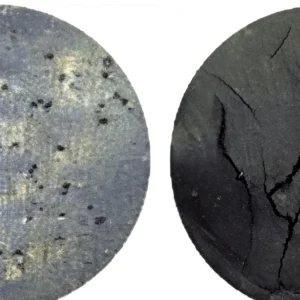
In an industrial setting, the rubber seals are often exposed to high pressures (like those in hydraulic systems or pressurized vessels). These seals contain gases—air, nitrogen, or other chemicals—that are absorbed into the rubber during pressurization. When the pressure drops abruptly, the gases trapped within the rubber attempt to escape rapidly, creating microfractures that can cause the seal to break apart or even explode.
It’s a failure mechanism that’s more common than most people think, and it can lead to significant downtime, expensive repairs, and even safety hazards. But how can you prevent it?

What Makes Rubber So Vulnerable?
Rubber is naturally flexible, which is great for its sealing properties. But it’s also porous, meaning it can absorb gases under high pressure. This makes it prone to explosive decompression when exposed to rapid pressure changes. Let’s go deeper into the mechanics of why rubber fails under these conditions.
-
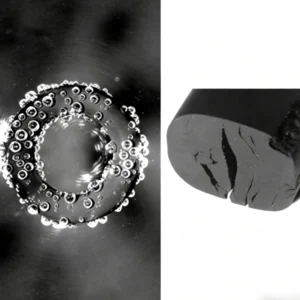
Gaseous Absorption: As pressure builds up, gases like nitrogen, oxygen, or even water vapor become dissolved in the rubber material. This is normal for seals in high-pressure environments. But, when the pressure is suddenly released (say, a valve opens or a vacuum chamber is depressurized), the gases want to escape quickly. The trapped gases form bubbles inside the rubber, causing microfractures and ruptures.
-
Material Properties: Rubber’s flexibility is both its strength and its weakness. While its elasticity allows it to conform and form tight seals, it also means that the rubber will stretch and compress under pressure. The more it stretches, the more likely it is to absorb more gas, and the more likely it is to fail during rapid decompression.
-
Environmental Factors: External factors such as temperature, exposure to chemicals, and aging can also increase a rubber seal’s susceptibility to explosive decompression. If a rubber seal has already weakened over time due to UV exposure, oil contamination, or extreme heat, it becomes more likely to fail when subjected to sudden pressure changes.
The Dangers of Explosive Decompression
Now that you understand what causes explosive decompression, it’s important to note just how dangerous this phenomenon can be. Imagine you’re working with a high-pressure system that’s essential for your production process. A sudden seal failure can lead to:
-
System Leaks: Explosive decompression can cause a massive leak, which could be hazardous, especially if the sealed fluid or gas is toxic or flammable.
-
Damage to Equipment: The force of explosive decompression can cause parts to be ejected violently, damaging sensitive equipment, resulting in costly repairs and downtime.
-
Safety Hazards: In extreme cases, the explosion of a rubber seal can create flying debris or cause burns, posing serious risks to personnel in the area.
As you can see, explosive decompression isn’t just a mechanical issue—it can have real-world consequences. That’s why it’s so important to address potential failures before they become catastrophes.
How to Prevent Explosive Decompression
So, how do you keep your rubber seals from experiencing explosive decompression? Preventing this kind of failure requires understanding the materials you’re working with and considering the conditions they’ll face. Here are a few tips:
-
Use the Right Material: Not all rubbers are created equal. Certain elastomers, like fluorosilicone or viton, are more resistant to explosive decompression than others. Make sure you’re using the right material for the pressure and environmental conditions your seals will face.
-
Gradual Depressurization: Whenever possible, avoid rapid pressure changes. Gradually depressurizing a system allows the rubber seals to adjust slowly, releasing trapped gases in a controlled manner.
-
Maintain System Integrity: Regular inspections and maintenance can go a long way in preventing seal failures. Look for signs of wear and tear, like cracks or discoloration, which could indicate a seal is nearing the end of its lifespan.
-
Optimize Temperature Control: Keep your systems within the temperature ranges recommended for your seals. Extreme heat or cold can make rubber more brittle or less flexible, making it more prone to failure under pressure changes.
-
Consider Alternative Seal Technologies: In some cases, other sealing technologies, like metal seals or composite materials, might offer better resistance to explosive decompression. This can be especially useful in applications where high pressures are the norm.
Why Neosilicone Can Help
At Milosilicone, we know how critical it is to choose the right seal material to prevent catastrophic failures like explosive decompression. That’s why we offer a range of advanced sealing solutions designed for industries that require reliable performance under high-pressure conditions. Our seals are engineered with the highest-quality materials to minimize the risk of failure, ensuring that your equipment runs smoothly and safely.
Whether you’re in aerospace, automotive, or industrial manufacturing, our seals are designed to withstand even the harshest conditions. With our cutting-edge materials and expert manufacturing processes, Neosilicone is committed to providing you with seals that deliver both performance and durability, keeping your operations safe and efficient.