
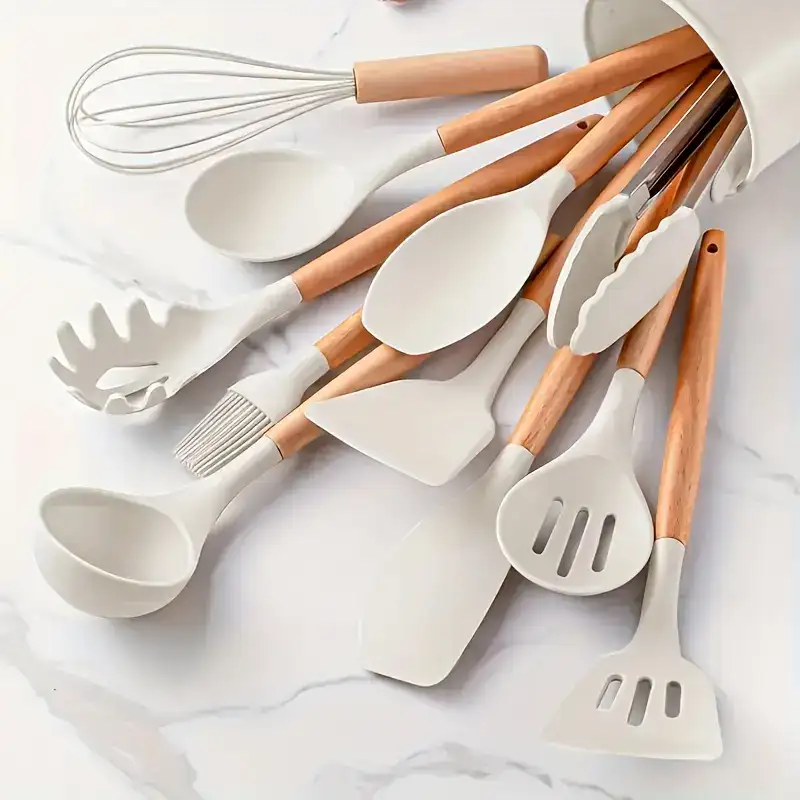
Silicone houseware products is taking the professional kitchen by storm—and for good reason. It’s durable, non-stick, heat-resistant, and easy to clean. From baking mats and spatulas to storage bags and ice cube trays, silicone has made life in the commercial kitchen far more efficient. But like all high-quality equipment, silicone houseware products the right care to ensure its longevity and continued performance.
In this guide, we’ll cover everything you need to know about maintaining and caring for your silicone tools, so you can avoid common issues like stickiness, discoloration, and premature wear. Whether you’re outfitting a commercial kitchen or seeking silicone products for industrial purposes, these tips will help you keep your investment in top shape.
Why Proper Silicone Care Is Critical for Commercial Use
Silicone is known for its versatility and durability, but it’s not immune to wear and tear. In a busy kitchen environment, factors like extreme heat, heavy use, and harsh chemicals can break down silicone’s structure over time. Common issues that arise from improper care include:
-
Sticky or Tacky Surfaces: Typically caused by oil buildup or chemical reactions with cleaning agents.
-
Discoloration: Spices, food dyes, or extreme heat can lead to unsightly stains.
-
Cracks or Tears: Sharp utensils or drastic temperature changes can cause damage to silicone products.
-
Odor Retention: Foods like garlic or onions can leave lingering smells.
With proper care, silicone kitchenware can last between 5-10 years, helping your business save money and reduce waste.
Step 1: Clean Silicone Kitchenware Correctly
The foundation of silicone care is proper cleaning. A quick rinse after each use goes a long way. Here’s how to clean your silicone tools without damaging them:
For Daily Cleaning:
-
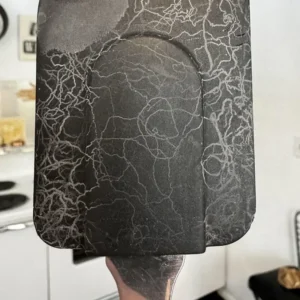
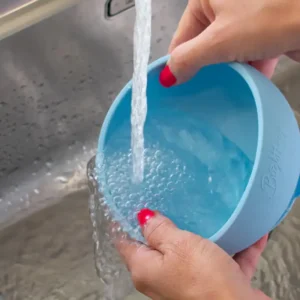
Hand Wash First (When Possible): Rinse silicone tools with warm water right after use to remove food residue. Use a mild dish soap and a soft sponge—avoid abrasive scrubbers like steel wool, which can scratch the surface and trap oil, leading to stickiness.
-
Stubborn Residue? Soak It: For baked-on food (like melted cheese or dough), soak the item in warm, soapy water for 10-15 minutes. This will make the residue lift off without the need for harsh scrubbing.
-
Avoid Harsh Cleaners: Bleach and ammonia can break down silicone’s protective layer, making it sticky and brittle over time. Stick to mild, non-abrasive cleaners.
For Deep Cleaning (Monthly or As Needed):
-
Baking Soda Paste: Mix baking soda with a little water to create a paste. Apply it to stained or discolored areas and let it sit for 30 minutes before wiping it clean. Baking soda is a gentle yet effective way to lift dirt and neutralize odors.
-
Vinegar Soak: For strong odors (e.g., garlic or fish), soak your silicone tools in a mixture of 1 part white vinegar to 4 parts water for an hour. Rinse thoroughly afterward.
-
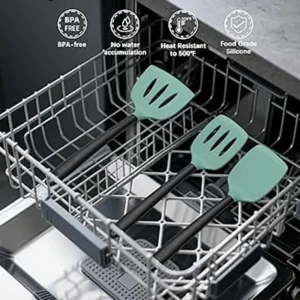
Dishwasher Safety: Most silicone items are dishwasher-safe, but always check the label. Place items on the top rack to avoid direct exposure to the heating element, and avoid using the “sanitize” cycle, as extreme heat can damage silicone over time.
Drying Your Silicone Tools:
Always dry silicone items completely before storing them. Air-drying on a dish rack or patting with a towel ensures that moisture doesn’t get trapped in crevices, which can lead to mold or mildew growth.
Step 2: Store Your Silicone Kitchenware Properly
Where and how you store your silicone tools can significantly impact their longevity. Follow these best practices to avoid warping, tearing, or sticking:
-
Keep Silicone Away from Heat: Store silicone items in a cool, dry place, away from direct heat sources like ovens and stovetops. Prolonged exposure to heat can degrade silicone, making it brittle or less flexible.
-
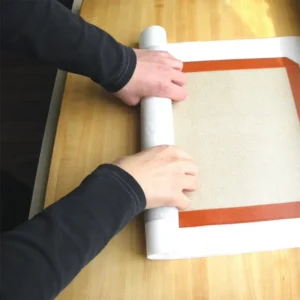
Avoid Folding: Silicone is flexible, but folding it tightly for long periods can cause permanent creases or tears. Roll silicone mats or tools loosely, or store them flat to prevent damage.
-
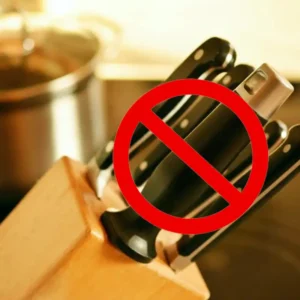
Keep It Separate from Sharp Objects: Store silicone tools away from sharp utensils like knives or graters. A puncture from a sharp edge can ruin the item’s integrity.
-
Don’t Stack Heavy Items: Avoid placing heavy cookware or containers on top of your silicone items. Pressure from heavy objects can warp or flatten them, especially when dealing with delicate tools like silicone mats or lids.
Step 3: Safe Usage Practices for Silicone Kitchenware
Using your silicone products correctly ensures they’ll last longer and work as intended. Here are some key dos and don’ts:
Do’s:
-
Check Heat Limits: Most silicone kitchenware can withstand heat up to 450°F (230°C). Always double-check the heat tolerance of your products. Exceeding the recommended temperatures could cause silicone to melt or release harmful chemicals.
-
Use for Its Intended Purpose: Silicone spatulas and tools are designed for gentle tasks like stirring and scraping in non-stick pans. Don’t use them on hard surfaces, such as cast iron, as they can become damaged.
-
Be Mindful of Direct Flame: Silicone is heat-resistant, but it’s not flame-resistant. Never place silicone tools directly on an open flame—such as a gas stove burner.
Don’ts:
-
Don’t Use Metal with Silicone: If your silicone product has metal parts (e.g., handles or clips), don’t microwave them. Metal can spark and cause damage.
-
Don’t Freeze Long-Term: While silicone is often freezer-safe, extended freezing can make it brittle. For long-term storage, consider wrapping silicone bags in plastic wrap for added protection.
-
Avoid Harsh Chemicals: Keep your silicone kitchenware away from strong chemicals, as they can degrade the material and affect its performance.
Step 4: Fix Common Silicone Issues
Despite your best efforts, silicone items may eventually experience wear and tear. Here’s how to fix the most common problems:
-
Sticky Surfaces: If your silicone tool becomes sticky, clean it with warm soapy water. Then, soak it in a vinegar solution (1 part vinegar + 2 parts water) for 30 minutes. Rinse thoroughly and air-dry. If stickiness persists, the silicone may be breaking down and it’s time to replace it.
-
Discoloration: Tough stains (like tomato sauce or turmeric) can be tackled with a paste of baking soda and hydrogen peroxide (equal parts). Apply the paste, let it sit overnight, then wipe it clean.
-
Odor Retention: To eliminate odors, fill your silicone food storage bags or containers with a mixture of baking soda and water (1 tablespoon per cup of water). Let it sit for 24 hours before rinsing.
When to Replace Silicone Kitchenware
Even with proper care, silicone will eventually need to be replaced. Here are signs it’s time for a new tool:
-
Visible Cracks or Tears: These can harbor bacteria and compromise the tool’s functionality.
-
Persistent Stickiness: If cleaning doesn’t solve the issue, it’s a sign the silicone has degraded.
-
Severe Discoloration: A chalky residue indicates silicone degradation.
-
Loss of Flexibility: Tools that no longer bend easily should be replaced.
-
Odor That Won’t Go Away: Strong, lingering odors could mean the material is breaking down.
Conclusion
By following these simple yet effective silicone care tips, you can extend the life of your kitchen tools and keep them performing like new. Silicone is a durable, eco-friendly choice for commercial kitchens, and with just a little maintenance, it can serve your business for many years.
At Milo Silicone, we provide high-quality silicone products designed for heavy-duty commercial use. Whether you’re equipping a restaurant, bakery, or industrial kitchen, our products are built to last. Browse our full range of silicone tools and kitchenware at milosilicone.com to see how we can support your operations with top-notch, durable silicone solutions.