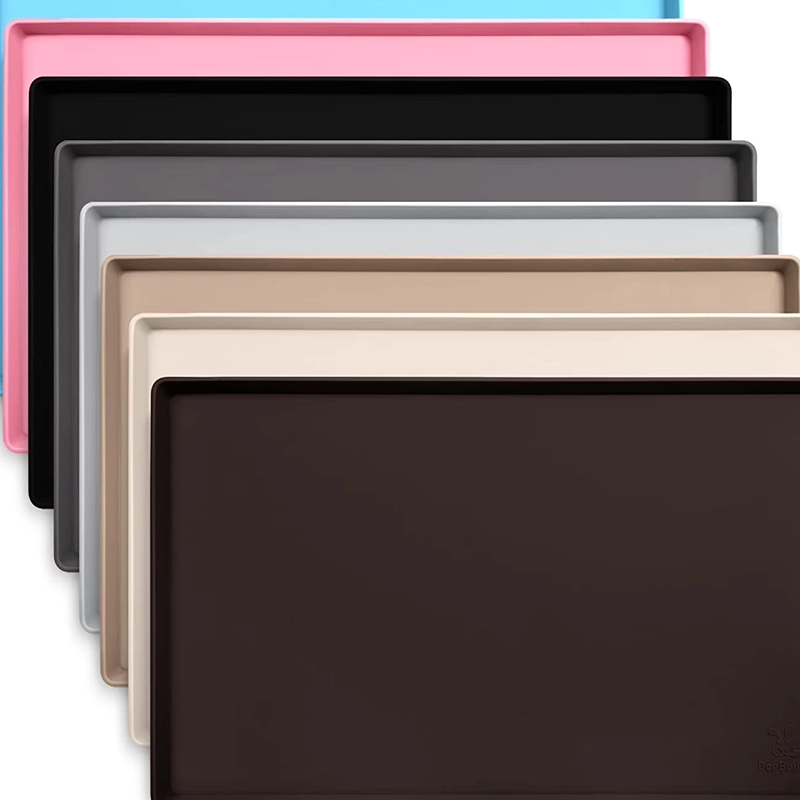
At Milosilicone, a leading manufacturer and partner to global suppliers, we help OEMs and brands choose the right mat material for foodservice, healthcare, industrial, and consumer applications. This guide compares silicone and rubber mats across composition, food compatibility, durability, medical suitability, cost, and selection criteria so your procurement, design, and sourcing teams can make an informed B2B decision. We also explain how Milosilicone’s OEM service and one-stop service can streamline development and production.
What Are Silicone and Rubber Mats Made Of?
Silicone mats are made from food-grade or industrial silicone elastomers — typically platinum- or peroxide-cured polydimethylsiloxane (PDMS) formulations. Silicone chemistry delivers thermal stability, inertness, and flexibility across a wide temperature range.
Rubber mats is a broader category that can include natural rubber (NR, latex) and synthetic rubbers such as nitrile (NBR), neoprene (CR), EPDM, or SBR. These materials are polymeric elastomers with varying resistance to oils, heat, and chemicals depending on the formulation and additives.
Key material differences:
- Silicone: inorganic backbone (siloxane), high thermal and UV stability, low chemical reactivity.
- Natural/synthetic rubber: carbon-based polymers, potentially more tear-resistant but often less heat-resistant and prone to degradation with some chemicals.
How Do Silicone and Rubber Mats Perform in Food Applications?
Silicone is the preferred choice for direct food-contact applications:
- Food-grade silicone is inert, non-toxic, and free of BPA, phthalates, and heavy metals when formulated and cured to regulatory standards (FDA, EU LFGB).
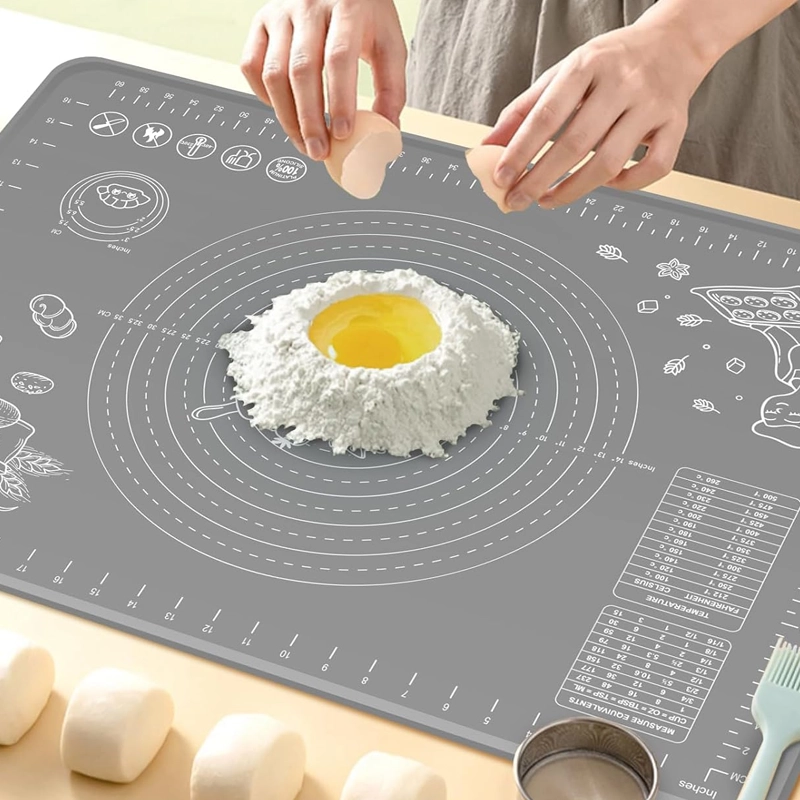
- It resists staining and odors, tolerates dishwashing, oven and freezer use, and sterilization — ideal for baking mats, prep mats, and placemats.
Rubber mats can be safe for food zones when made from food-grade nitrile or specially formulated compounds, but they require careful selection:
- Natural rubber can cause allergic reactions in sensitive populations (latex allergy).
- Some synthetic rubbers may absorb oils or leach additives unless certified for food contact.
For foodservice and baby- or medical-related feeding surfaces, silicone typically offers superior hygiene and regulatory confidence.
Which One Lasts Longer in Daily Use?
Durability depends on stress type:
- Silicone excels at thermal cycling, UV exposure, and long-term elasticity without significant hardening or cracking. It tends to retain color and flexibility for many years in normal domestic and foodservice environments.
- Rubber (especially reinforced formulations) can offer higher tear and abrasion resistance in heavy industrial use, and may be preferred for anti-fatigue or heavy-traffic floor mats.
If the primary abuse is mechanical (sharp objects, heavy dragging), a heavy-duty rubber compound may last longer. If exposure to heat, chemicals, or repeated cleaning is the main stressor, silicone typically outperforms.
Which Material Is Better for Medical or Baby Products?
For medical and baby product contexts, silicone is generally superior:
- High-purity, medical-grade silicone meets biocompatibility standards (ISO 10993) and tolerates autoclave sterilization, gamma irradiation, and disinfectants better than most rubbers.
- Silicone’s low surface energy reduces microbial adhesion and simplifies cleaning protocols.
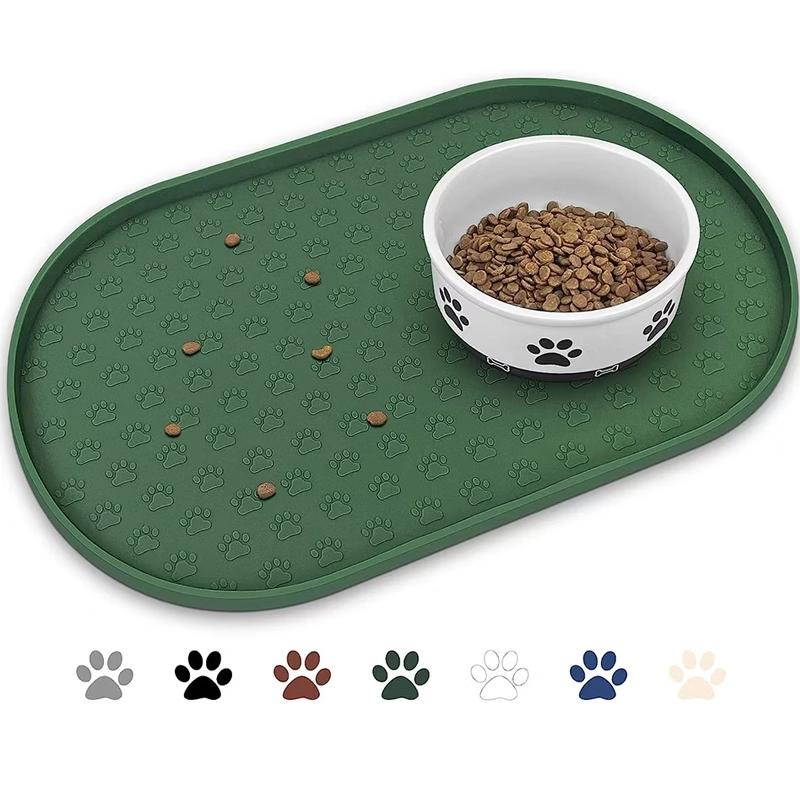
Rubber-based mats used in healthcare must be carefully specified for non-toxicity, non-allergenicity (latex-free), and compatibility with hospital-grade disinfectants. For trays, baby placemats, bottle mats, and devices near mucous membranes—choose medical- or food-grade silicone.
Is There a Price Difference Between Silicone and Rubber?
Rubber compounds (especially commodity grades) are typically less costly per kilogram than high-grade silicone. However, total cost of ownership matters:
- Silicone’s longer life in thermal/chemical environments, and lower failure rates for food/medical applications, often justify the higher material cost.
- For high-volume industrial floor mats or basic anti-slip layers, rubber’s lower unit cost and superior mechanical toughness can be more economical.
When comparing quotes from manufacturers and suppliers, include tooling amortization, regulatory testing, expected service life, and end-of-life disposal or recyclability in your cost model.
Which One Should You Choose?
Select based on the dominant functional requirements:
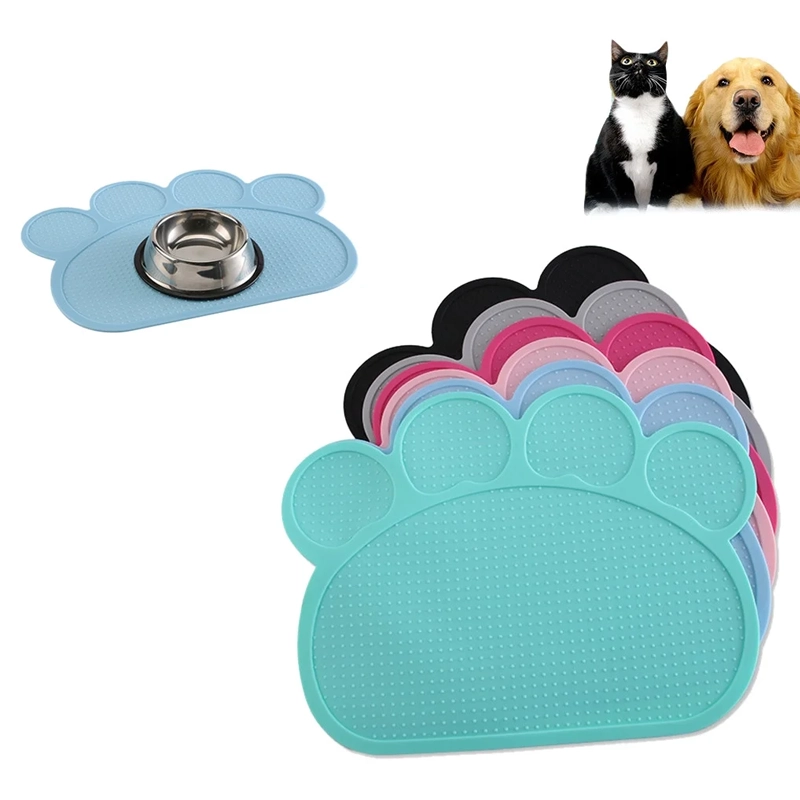
- Choose silicone if you need food-contact safety, heat resistance, sterilizability, UV stability, odor resistance, and long-term elasticity (baking mats, baby feeding mats, medical trays).
- Choose rubber if you require extreme abrasion resistance, heavy load bearing, or a lower-cost solution for industrial floor mats and anti-vibration pads — provided a suitable non-latex, non-toxic formulation is used.
For hybrid requirements, consider multi-material assemblies: a silicone contact surface bonded to a rubber backing for grip and structural durability.
Conclusion
Both silicone and rubber have valuable roles — but their value depends on application context. For food, medical, and baby-related mats, silicone’s regulatory profile, thermal and chemical resistance, and hygienic properties make it the better primary choice. For heavy-duty industrial or floor applications where abrasion and tear resistance dominate, engineered rubber compounds may be the right fit.
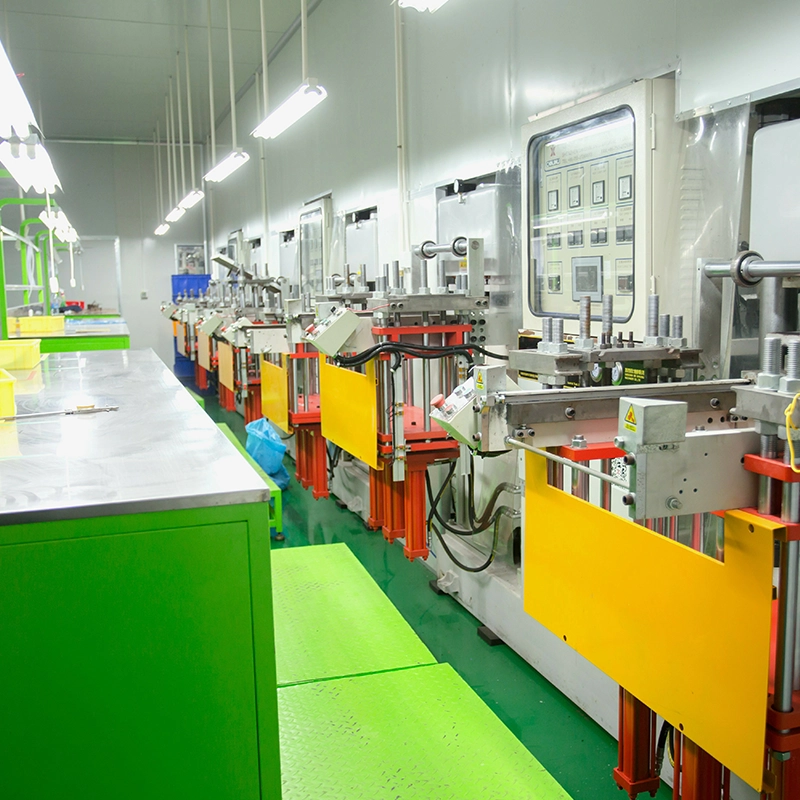
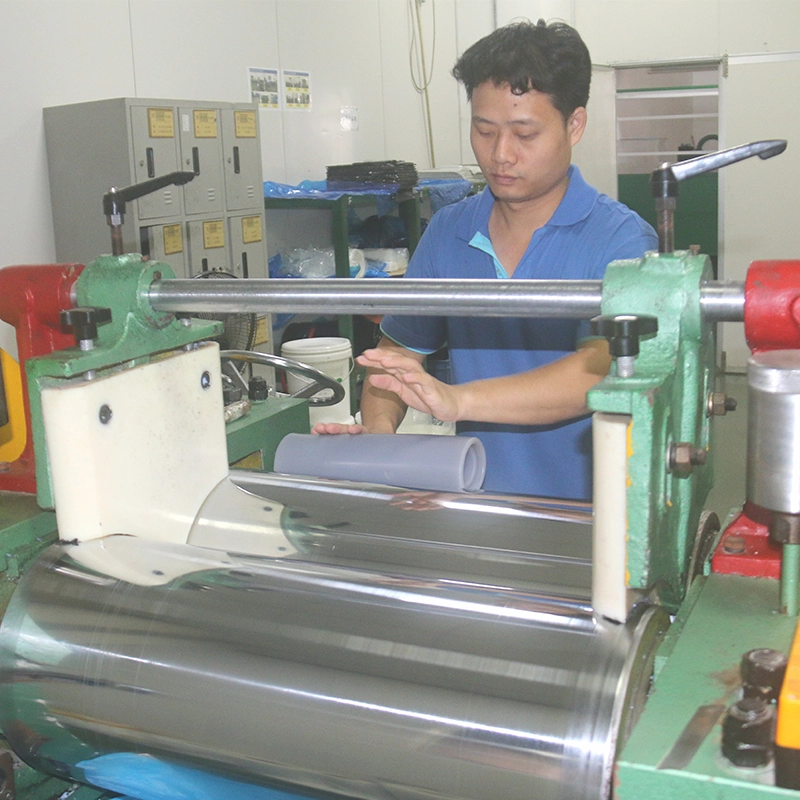
At Milosilicone, we offer one-stop service from material selection and DFM to prototyping, regulatory testing, and volume manufacturing. Our OEM service and experienced supplier network help B2B customers specify the ideal compound, optimize cost of ownership, and deliver high-quality products that meet market and regulatory demands.
Ready to evaluate materials or start an OEM project? Contact Milosilicone today for a feasibility review, sample production, and a tailored proposal. We’ll help you choose the optimal material and production pathway for your mat application.