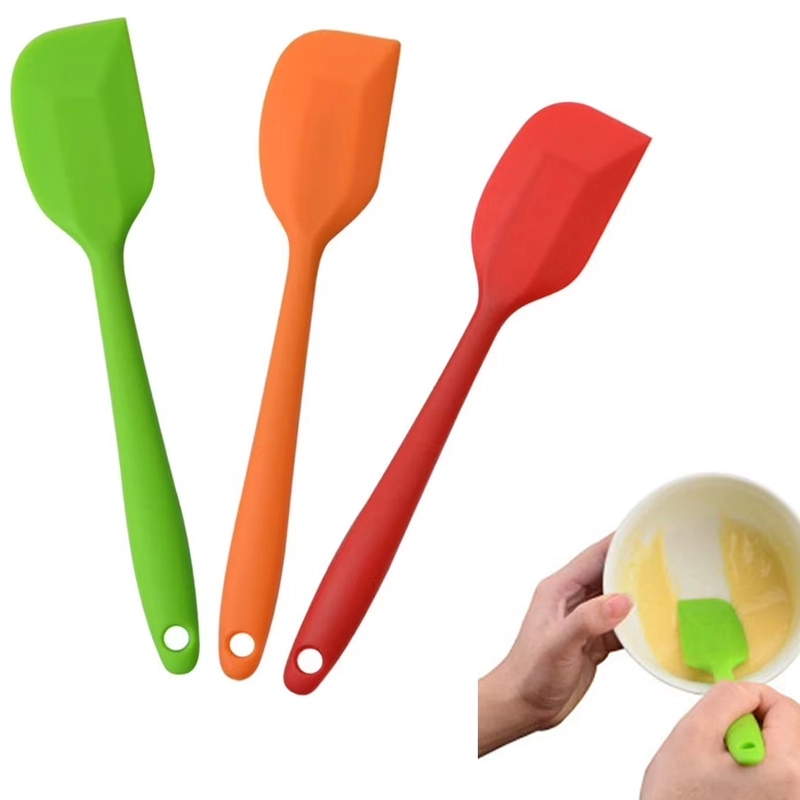
Hey there, home cooks and professional chefs! Have you ever been in the middle of flipping a perfect pancake or scraping every last bit of batter from a bowl when you stopped to wonder about the tool in your hand? That trusty silicone spatula—flexible, heat-resistant, and gentle on your cookware—seems simple. But at its heart lies a critical design decision that shapes its performance, feel, and durability: the core material.
Is it a rigid metal spine or a sturdy plastic one? This isn’t just a trivial detail; it’s the fundamental engineering choice that defines the utensil’s soul. At MiloSilicone, as a leading silicone product manufacturer and factory specializing in silicone compression molding and overmolding, we navigate this core question daily with our clients. Whether you’re a brand looking to develop a line of custom silicone spatulas or a curious consumer wanting to make an informed purchase, understanding the “inside story” is key.
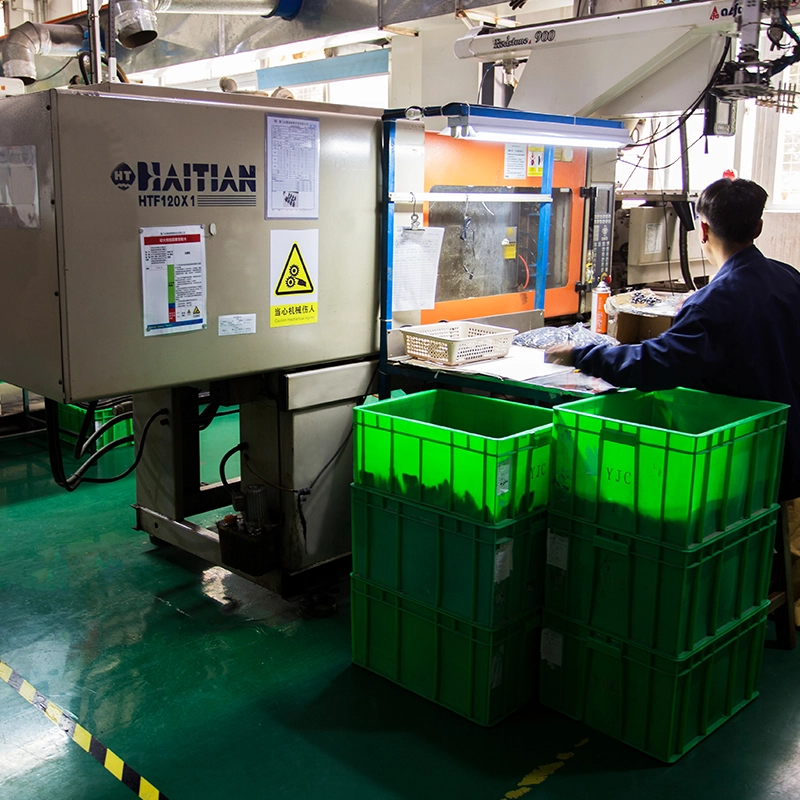
Let’s slice through the hype and get to the meat of the matter. The core, or insert, is the rigid internal skeleton over which liquid silicone rubber is molded. This core provides the structural integrity that the flexible silicone alone cannot. Without it, your silicone kitchen utensil would be a floppy, ineffective piece of rubber. The debate between metal and plastic cores is a classic trade-off between premium performance and practical, cost-effective durability. It influences everything from how the flexible scraper feels in your hand to how it withstands the rigors of a busy kitchen or a commercial food production line.
So, grab a cup of coffee, and let’s dive deep into the world of spatula cores. By the end of this read, you’ll know exactly which type is the right tool for your job—and if you’re developing a product, you’ll know what to ask your silicone factory.
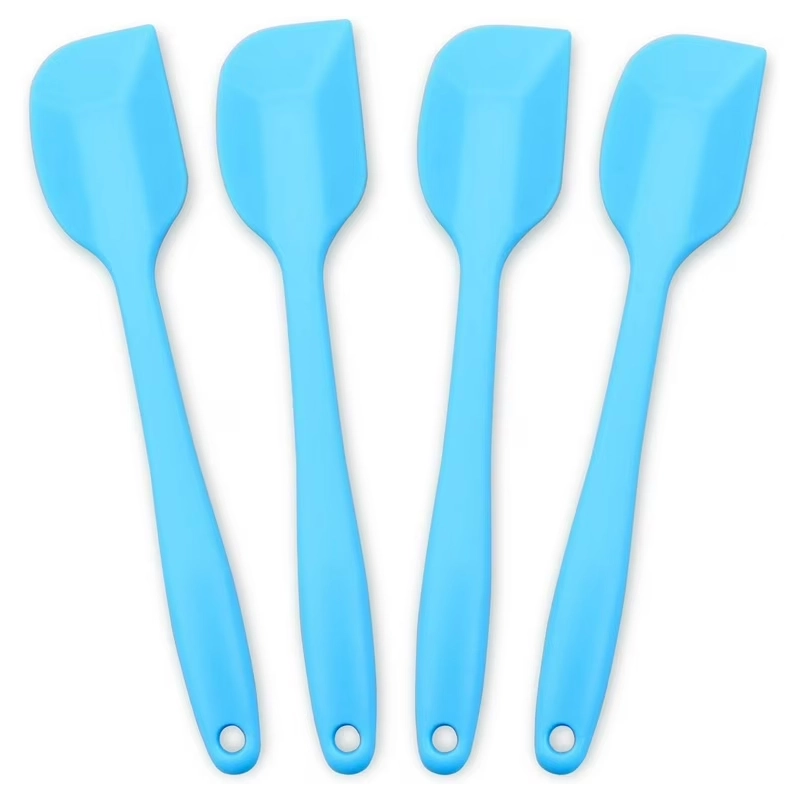
What Exactly is the Core in a Silicone Spatula?
Before we battle metal vs. plastic, let’s establish what we’re talking about. In manufacturing, particularly in a process called silicone overmolding, the core is a pre-formed rigid part that is placed into a mold. Liquid Silicone Rubber (LSR) or high-consistency rubber (HCR) is then injected or compressed around it. Once cured, the silicone forms a permanent, seamless bond with this core. This core is almost always in the handle and often extends partway into the head or blade of the silicone cooking tool, giving it that perfect balance of flexibility at the tip and firmness in the grip.
Think of it like a bone in a finger. The bone (core) provides strength and definition, while the flesh (silicone) provides flexibility, protection, and functionality. The choice of core material—metal or plastic—determines the character of that “bone.”
Metal Core Spatulas: The Premium Workhorse
Properties and Performance:
Metal cores are typically made from stainless steel or sometimes aluminum. They are incredibly strong, rigid, and have excellent thermal conductivity. This means they don’t flex under pressure and transfer heat (or cold) along their length more effectively than plastic.
Advantages:
-
Unmatched Strength & Stability: A metal-core silicone spatula is virtually unbendable. It provides superior leverage for scraping thick doughs, stiff batters, or heavy contents from deep pots. There’s no “wobble” in the handle.
-
Heat Resistance Throughout: While the silicone head protects surfaces up to 500°F (260°C), the metal core itself can withstand even higher temperatures. This is crucial if the handle is exposed to high oven heat or placed near a flame.
-
Premium Feel & Balance: The weight of metal gives the utensil a substantial, high-quality feel. It often balances better in the hand, providing more control.
-
Longevity: Stainless steel is impervious to corrosion, moisture, and will not degrade over time. The bond between silicone and properly treated metal is extremely durable.
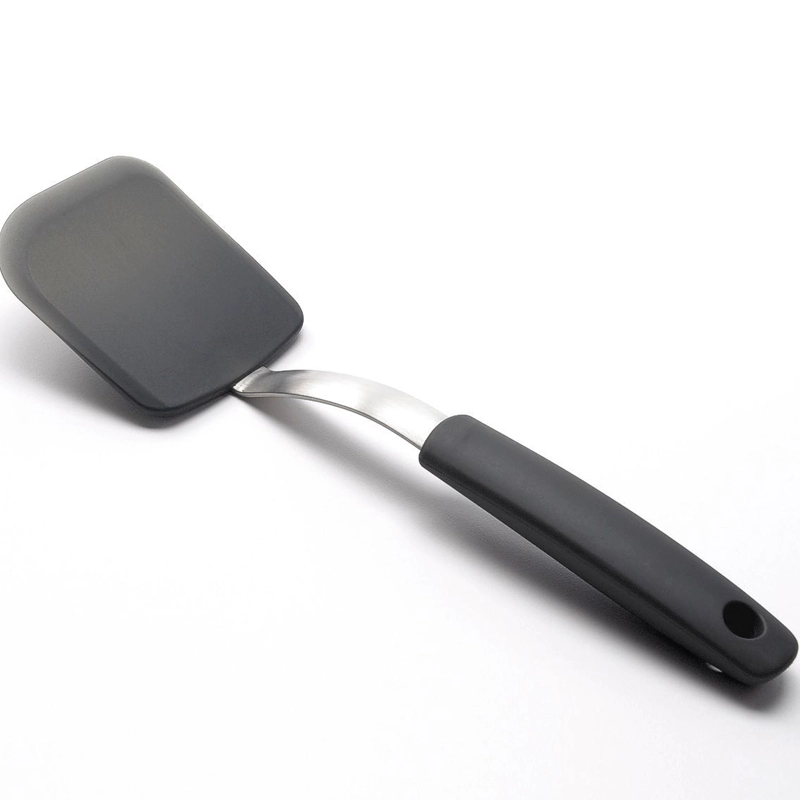
Limitations:
-
Cost: Metal inserts are more expensive than plastic, impacting the final product cost.
-
Weight: Some users, especially those with joint issues, may find heavier utensils fatiguing during prolonged use.
-
Manufacturing Complexity: Preparing metal cores (cleaning, sandblasting, priming) for optimal silicone adhesion is a more involved process. It also requires more robust, often slower, silicone compression molding cycles as metal heats up and cools down differently than plastic.
-
Dishwasher Safety: While generally safe, extreme thermal shocks in dishwashers could, in very rare cases, stress the bond between materials with vastly different expansion rates.
Plastic Core Spatulas: The Agile Performer
Caratteristiche:
Plastic cores are usually injection-molded from high-temperature engineering thermoplastics like PPS (Polyphenylene Sulfide), PPA, or specially formulated nylons. These materials are chosen for their ability to withstand the high temperatures of the silicone overmolding process.
Advantages:
-
Lightweight & User-Friendly: This is the biggest benefit. Plastic-core silicone spatulas are easy and comfortable to handle, reducing wrist strain. They are a favorite for everyday home cooking.
-
Cost-Effectiveness: Plastic inserts are cheaper to produce at scale, making the final product more affordable for consumers—a key consideration for custom silicone spatula lines targeting a broad market.
-
Design Flexibility & Color: Plastic cores can be easily molded into complex ergonomic shapes and even produced in colors that can show through translucent silicone handles for aesthetic branding.
-
Excellent Bonding: With the right material selection and surface treatment, silicone bonds very well to certain plastics, creating a strong, reliable union.
-
Thermal Insulation: The plastic core acts as an insulator, keeping the handle cooler even if the blade is in a hot pan (though the silicone itself is the primary insulator).
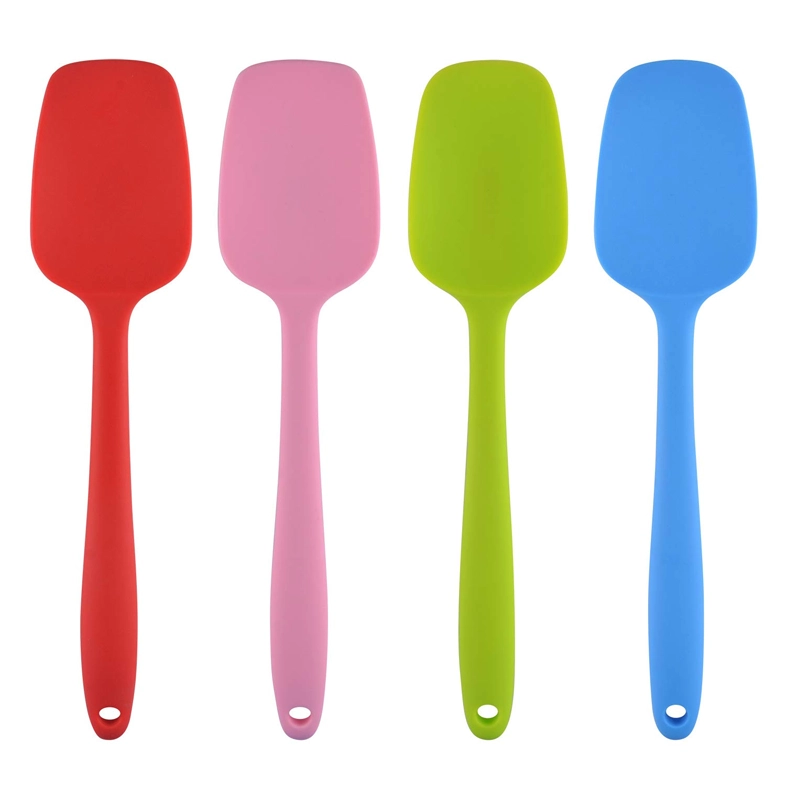
Limitations:
-
Lower Structural Rigidity: Under high lateral force (e.g., scraping frozen food), a plastic core can flex or bend, which may be perceived as a lack of durability.
-
Temperature Ceiling: While the plastics used are high-temp, they have a maximum continuous use temperature (often around 400°F / 204°C) lower than metal. Exceeding this can cause the plastic to deform.
-
Potential for Warping: Inconsistent molding or exposure to excessive, direct heat (like resting on a hot pot rim) can lead to warping over time.
Metal vs. Plastic: The Head-to-Head Comparison
Structural Strength & Stability: Metal is the undisputed champion. For tasks requiring firm pressure—commercial bakeries, thick nut butters, heavy doughs—metal is essential. Plastic cores suit 95% of home kitchen tasks but have a performance ceiling.
Weight & User Comfort: Plastic wins for lightweight comfort. For elderly users, those with arthritis, or for whisks and spoons used constantly, plastic cores reduce fatigue.
Manufacturing Considerations: As a factory, we see clear differences. Plastic cores allow for faster cycle times, easier handling, and greater design intricacy. Metal cores require more precise process control in silicone compression molding to ensure perfect bonding and avoid issues like sink marks over the metal.
Typical Use Cases:
-
Choose Metal Core for: Professional-grade tools, high-end custom silicone spatula lines, tools for heavy-duty scraping, utensils intended for frequent oven use (e.g., high-temperature silicone scrapers), and products where a premium “heft” is a selling point.
-
Choose Plastic Core for: Mass-market utensil sets, tools focused on ergonomics and lightweight comfort, products with complex handle designs or color features, and development projects with strict budget targets.
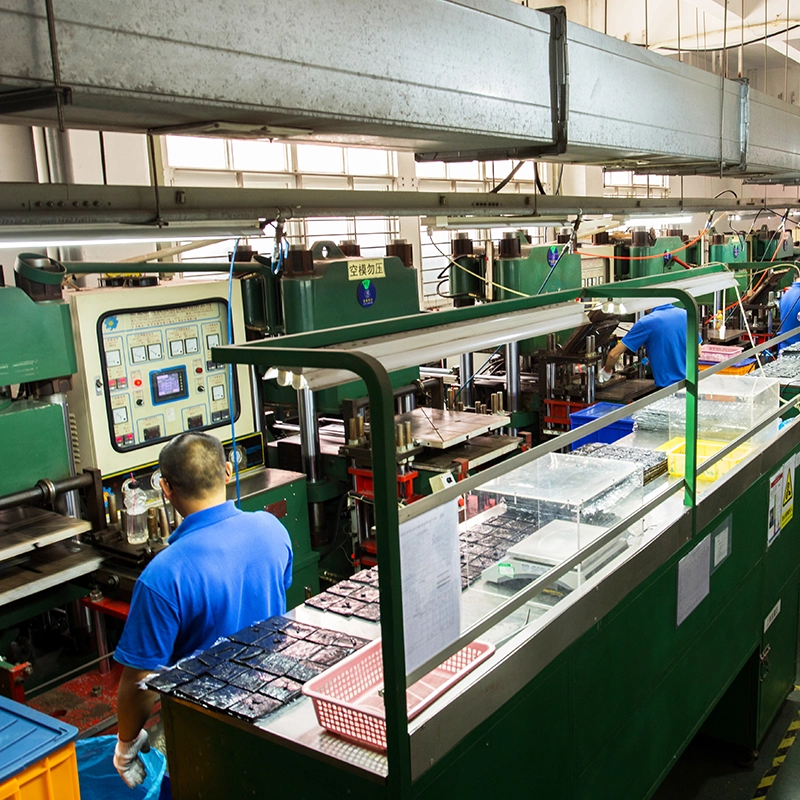
Impact of Core Material on Silicone Overmolding
This is where our expertise as a manufacturer truly comes into play. The core choice directly affects the production floor.
Adhesion & Bonding: Metal requires thorough chemical or mechanical preparation (e.g., sandblasting) and often a primer to create a solid bond. Specific high-temp plastics bond through a combination of mechanical interlocking and chemical adhesion, but material selection is critical—not all plastics work.
Mold Temperature & Curing: Metal conducts heat away from the curing silicone rapidly. This often requires higher mold temperatures or adjusted cure times to ensure the silicone fully vulcanizes at the interface. Plastic, being an insulator, doesn’t create this “heat sink” effect, allowing for potentially more consistent and faster cycles.
Quality & Appearance: A metal core, due to its thermal conductivity, can sometimes lead to subtle visual differences on the silicone surface directly above it. A skilled factory like MiloSilicone manages this through precise process engineering. Plastic cores minimize this effect and offer more options for molded-in color details.
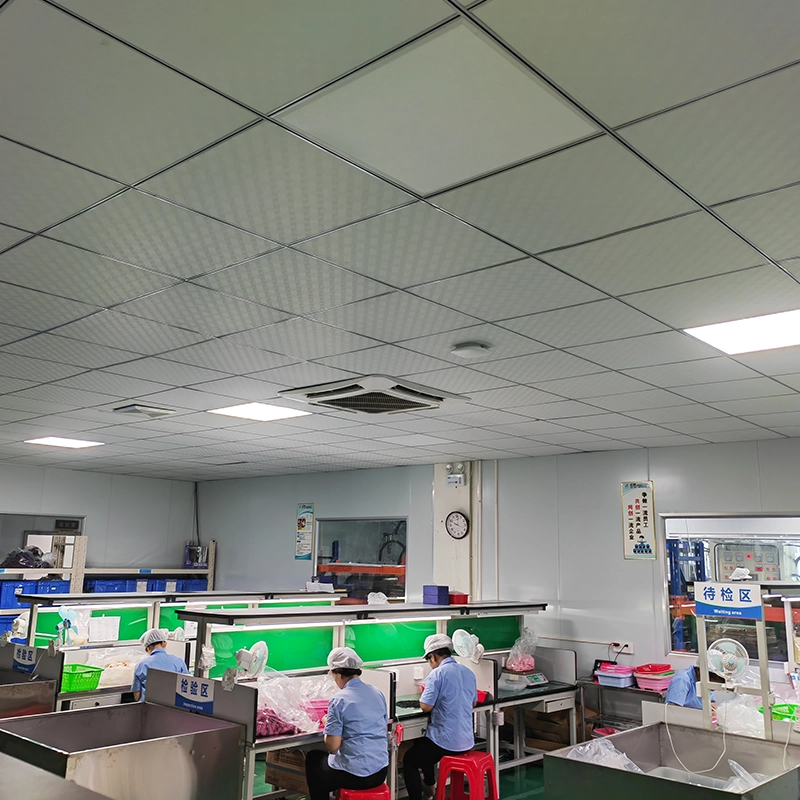
Choosing the Right Core for Your Product Development
So, how do you, as a brand or designer, make the call?
Selecting Based on Intended Use: Start with the end-user. What are they scraping? What’s their price point? Is it for a gourmet kitchen or a college dorm? The answer dictates the core.
Balancing Key Factors: You must balance Performance vs. Cost vs. Weight. You can’t have all three. Prioritize.
ODM Design Considerations: Partner with an experienced manufacturer early. At MiloSilicone, we guide our ODM clients through this decision based on our years of silicone compression molding experience. We’ll ask: What’s your budget? What’s your target market? What are your competitors using? Your answers shape the material strategy.
Conclusion:
The question isn’t “which is better?” but “which is better for this specific application?” The metal-core silicone spatula is the robust, professional, premium-tier tool built for a lifetime of heavy use. The plastic-core silicone utensil is the intelligent, ergonomic, and economical champion of the everyday kitchen.
At MiloSilicone, we master the manufacturing of both. Whether you’re looking to develop a line of indestructible professional baking spatulas or a colorful, lightweight set for a big-box retailer, our expertise in silicone overmolding and compression molding ensures your product is built correctly from the core out.
Ready to bring your perfect silicone kitchen tool to life? The journey starts with a conversation about what’s at its core.
Contattaci today to discuss your custom silicone spatula project. Let’s build something great, together.