
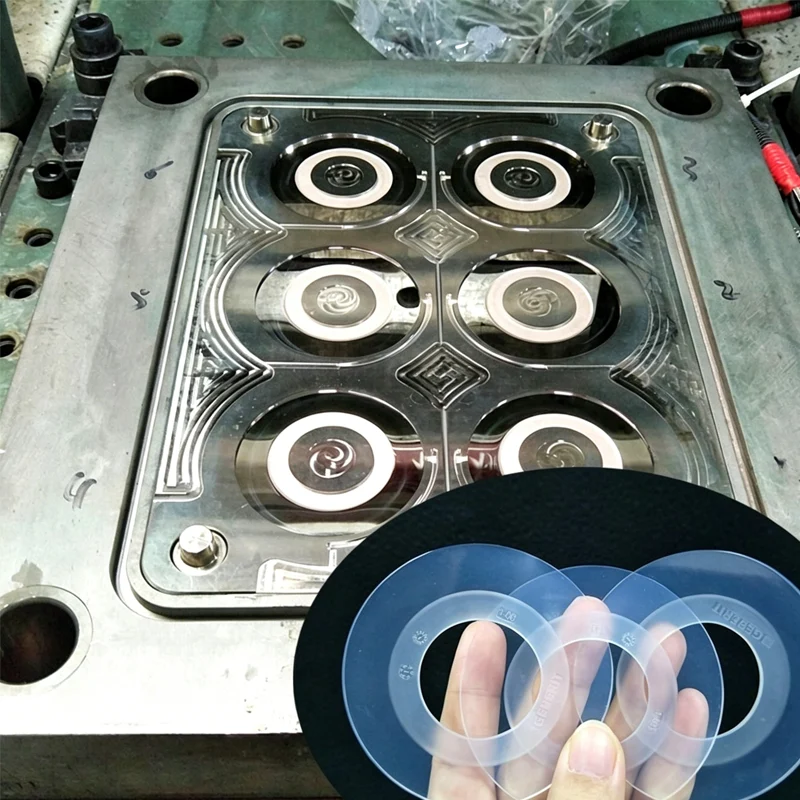
Silicone Transfer Molding (STM) is one of the ideal processes for manufacturing custom gaskets and seals. With its high precision, reliability, and excellent material adaptability, silicone transfer molding has become the standard manufacturing technology widely used across various industries, especially in applications requiring complex shapes, micron-level precision, and superior sealing performance. This article delves into the applications of silicone transfer molding in custom gasket and seal production, examining its process, technical advantages, material selection, and quality control methods to help purchasing engineers ensure optimal performance.
1. Application of Moldeo por Transferencia de Silicona in Custom Gaskets and Seals
1.1 Process Overview
Silicone transfer molding is an advanced liquid silicone molding technology that uses precision molds and liquid silicone to form parts under high-temperature and high-pressure conditions. The process involves injecting liquid silicone into the mold cavity, where it cures under heat and pressure, resulting in the custom gasket or seal. Compared to traditional injection molding, silicone transfer molding offers higher precision and the ability to create more complex geometries, making it particularly suitable for producing custom gaskets and seals.
1.2 Application Scenarios
Silicone transfer molding is widely used in the production of custom gaskets and seals in various industries, including:
- Automotive Industry: Sealing parts in engines, transmissions, and brake systems, providing excellent resistance to high temperatures, oils, and aging.
- Electronics Industry: Sealing batteries, circuit boards, and other components to ensure waterproof and dustproof performance.
- Medical Industry: Seals for medical devices like syringes and ventilators, requiring biocompatibility and non-toxicity.
- Home Appliances: Seals for refrigerators, washing machines, and other household appliances, ensuring durability and airtight sealing.
2. Technical Advantages of Silicone Transfer Molding
2.1 High Precision and Complex Design Capability
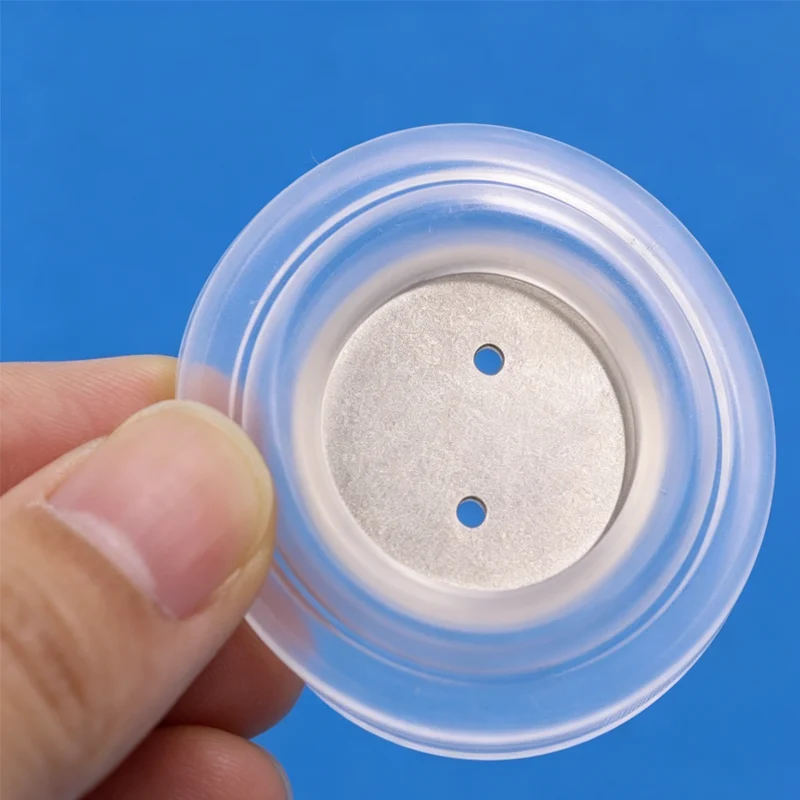
Silicone transfer molding excels in meeting the production requirements for complex geometries and fine details. Whether it’s seals with micro-holes or gaskets with embedded metal inserts, STM ensures high accuracy in dimensions and shapes, making it ideal for manufacturing custom gaskets and seals.
2.2 Excellent Sealing Performance
One of the key advantages of silicone transfer molding is its outstanding sealing properties. Silicone materials are naturally soft and elastic, maintaining stable sealing performance even under high pressure and temperature fluctuations. With optimized mold design and injection techniques, each custom gasket and seal can achieve excellent sealing capabilities, minimizing leakage and improving system reliability.
2.3 High Temperature and Chemical Resistance
Silicone offers exceptional resistance to high temperatures, UV radiation, oils, and chemical corrosion. For custom gaskets and seals working in high-temperature or chemically harsh environments, silicone transfer molding provides consistent and reliable performance, making it ideal for automotive, electronics, and other demanding industries.
2.4 Environmental Friendliness and Biocompatibility
For medical applications, silicone transfer molding is crucial. By using biocompatible silicone materials, which meet FDA, ISO, and other certification standards, the products are safe and non-toxic, ensuring no harm to the human body. This makes silicone transfer molding highly suitable for medical devices, baby products, and other industries requiring strict safety standards.
3. Material Selection for Custom Gaskets and Seals
3.1 Liquid Silicone Rubber (LSR)
Liquid Silicone Rubber (LSR) is a common material used in silicone transfer molding. Its primary advantage lies in the ability to precisely control the injection and curing process, providing accurate molding and the production of complex structures. LSR exhibits excellent elasticity, high-temperature resistance, and chemical corrosion resistance, making it an ideal choice for high-performance custom gaskets and seals.
3.2 High-Temperature Silicone Materials
In high-temperature applications, such as automotive engine components, high-temperature silicone is often required. These materials can function at temperatures up to 300°C or higher, ensuring long-term stability for seals exposed to extreme conditions.
3.3 Oil-Resistant Silicone Materials
For automotive and industrial equipment seals, oil-resistant silicone is the material of choice. It remains stable in oil and liquid environments, preventing the seal from degradation due to oil exposure, ensuring the equipment operates effectively for extended periods.
4. Quality Control: Ensuring the Reliability of Custom Gaskets and Seals
4.1 Strict Quality Testing System
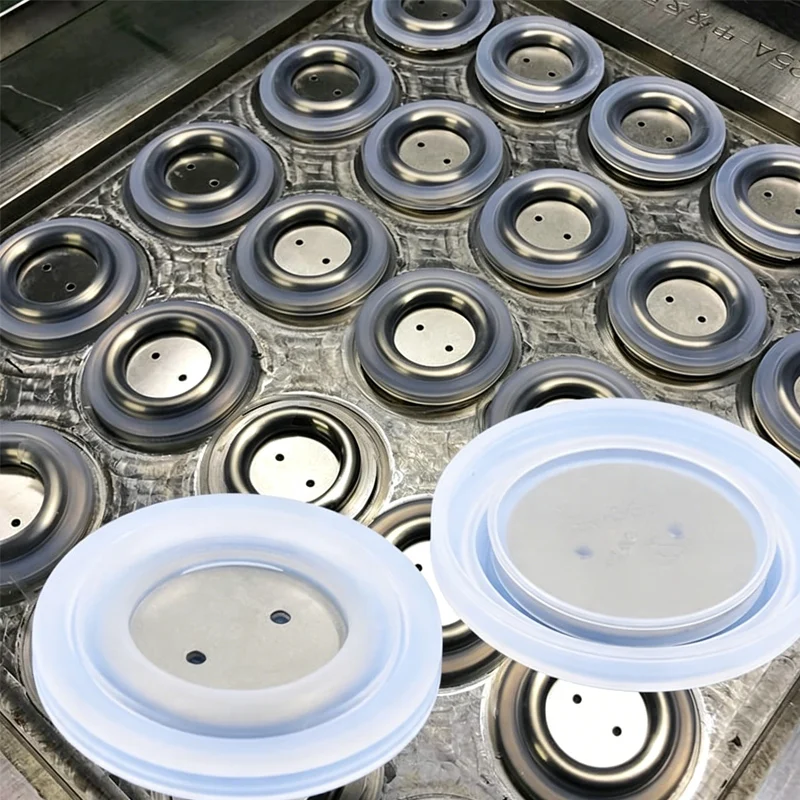
Every stage of the silicone transfer molding process requires stringent quality control. Purchasing engineers should ensure that suppliers have a robust quality management system and provide detailed testing reports. Common quality control items include:
- Dimensional Testing: Ensuring that each custom gasket and seal meets design specifications and accuracy requirements.
- Thermal and Chemical Resistance Testing: Ensuring that seals can withstand high temperatures and chemical exposure in their operating environment.
- Sealing Performance Testing: Using pressure tests and other methods to ensure the custom seals are leak-free and provide reliable sealing.
4.2 Lifetime Testing and Reliability Assessment
For custom seals used in long-term applications, particularly in high-temperature, high-pressure, or chemically corrosive environments, engineers should ensure suppliers provide accelerated aging and long-term stability testing reports to verify the durability of the seals.
5. Cost Optimization and Supply Chain Management
5.1 Balancing Cost and Technical Requirements
Custom gaskets and seals produced via silicone transfer molding typically have higher technical requirements, leading to higher costs. Purchasing engineers should balance cost and performance based on the project’s budget and technical needs.
- Mass Production vs. Custom Orders: Mass production helps reduce unit costs, especially in large-scale manufacturing.
- Supply Chain Optimization: By efficiently organizing the production process and delivery schedule, engineers can ensure on-time delivery and maintain high cost-performance ratios.
5.2 Long-Term Supplier Cooperation
Choosing an experienced and technically capable silicone transfer molding supplier is critical to ensuring product quality and long-term reliable supply. Purchasing engineers should maintain close collaboration with suppliers to balance quality, delivery timelines, and cost control.
6. Conclusion
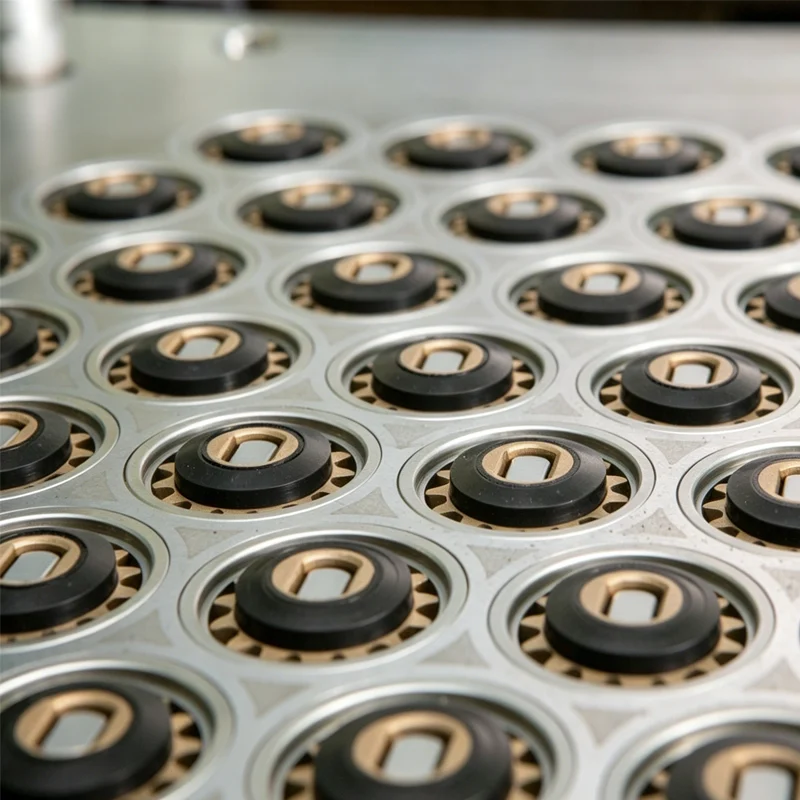
Silicone transfer molding technology, with its high precision, ability to form complex shapes, and superior sealing properties, has become the preferred process for custom gasket and seal production. By selecting the right materials, optimizing designs, adhering to strict quality controls, and fostering long-term relationships with suppliers, purchasing engineers can ensure the best performance for their projects. As technology continues to evolve, silicone transfer molding will play an essential role in advancing innovation and development across multiple industries.