
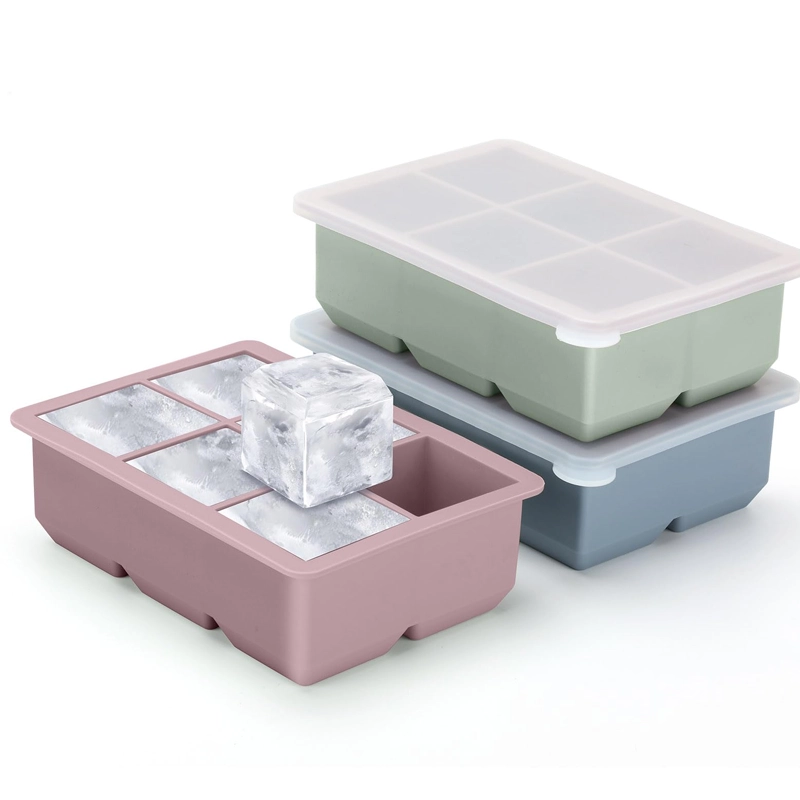
At Our factory, we manufacture high-performance silicone ice cube trays, silicone ice molds, and silicone ice cube trays with lids for global brands and distributors. For B2B buyers, lifespan is not just a consumer concern—it directly impacts product quality perception, return rates, and long-term brand value. Understanding how long silicone trays last and what affects their durability is essential when selecting the right OEM/ODM partner.
One-sentence definition: Silicone ice cube trays are flexible, food-grade molded products designed for repeated freezing cycles, typically lasting several years under normal use due to their thermal stability and elastic recovery.
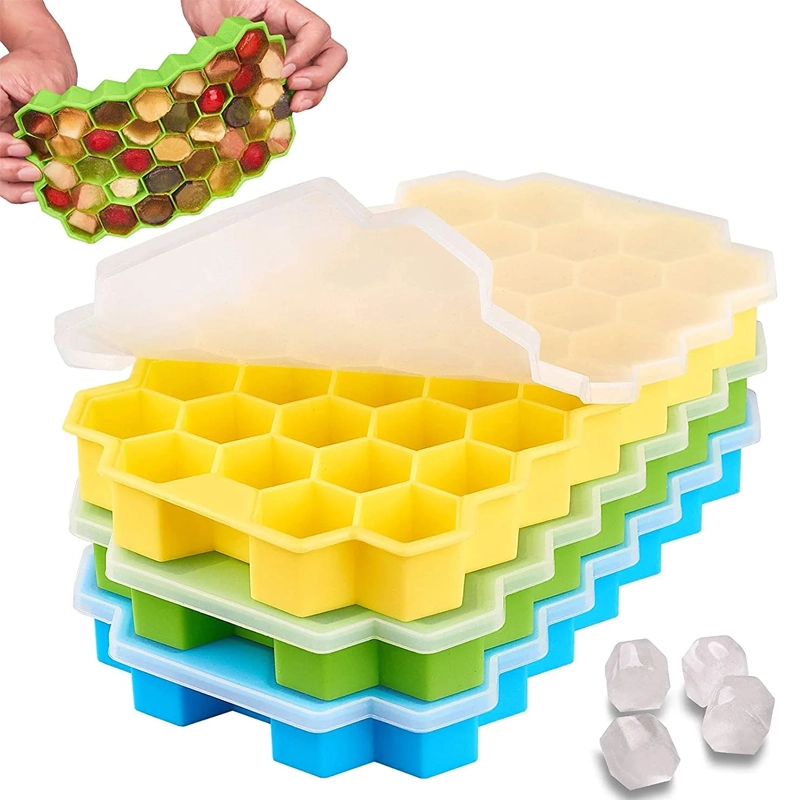
Typical Lifespan of a Silicone Ice Cube Tray: Real-World Data and Benchmarks
In real-world usage, silicone ice cube trays commonly last 3 to 7 years or more, depending on material quality and usage conditions.
Empirical User Reports and Durability Tracking
Long-term observations across multiple households show that high-quality trays maintain flexibility, shape, and release performance even after thousands of freeze-release cycles. Unlike plastic trays, silicone does not become brittle over time, which is a key reason for its extended lifespan.
Manufacturer Warranty vs. Actual Performance
Most manufacturers offer limited warranties, but in practice, well-produced silicone ice molds often exceed expectations. Premium-grade silicone, especially platinum-cured material, can perform reliably for over 5 years without cracking, deformation, or odor retention.
Key Factors That Determine Silicone Ice Cube Tray Longevity
Silicone Grade Matters: Platinum-Cured vs. Peroxide-Cured
Material selection is the most critical factor.
- Platinum-cured silicone
Higher purity, better durability, odor resistance, and longer lifespan - Peroxide-cured silicone
Lower cost, acceptable performance, but shorter lifespan and potential odor over time
For OEM projects, choosing the right curing method directly impacts product positioning and market competitiveness.
Mechanical Wear and Daily Use
Repeated flexing is normal, but excessive force or improper handling can shorten lifespan.
Factors that affect wear:
- Over-bending during ice release
- Stacking heavy items on trays
- Using sharp tools to remove ice
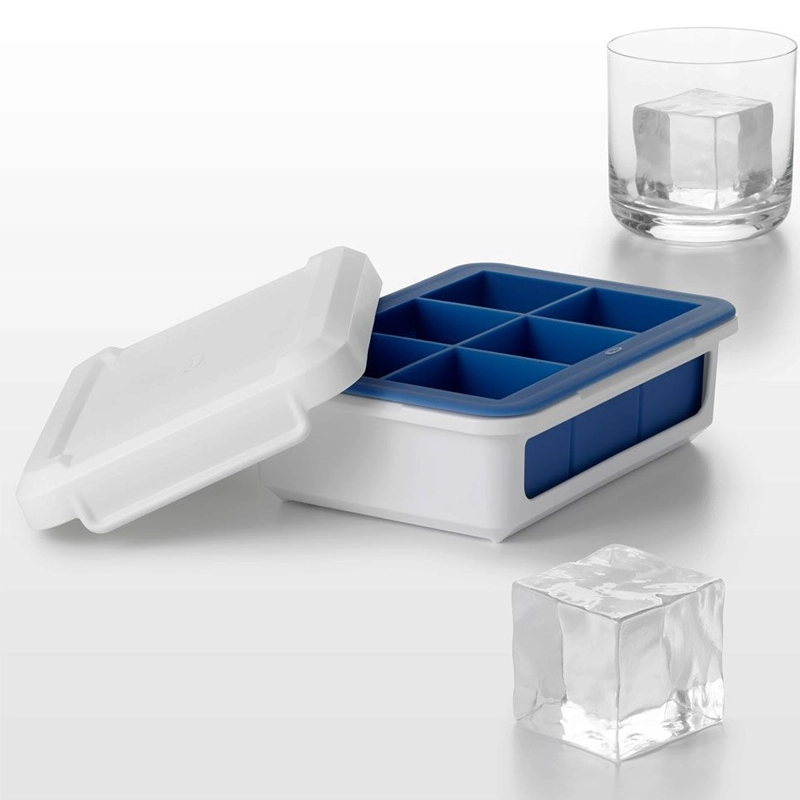
A well-designed silicone ice cube trays with lids product should balance flexibility and structural support to minimize long-term fatigue.
Thermal Resilience: How Temperature Extremes Affect Silicone Ice Cube Tray Integrity
Silicone is known for its excellent thermal stability. Most food-grade silicone operates safely within a range of –40°C to 230°C, making it suitable for both freezing and baking.
Freezer-to-Oven Performance
Unlike plastic, silicone maintains elasticity even under extreme cold. It does not crack in freezers and can also withstand oven temperatures, making it versatile for multi-purpose use.
Material Testing Insights
Standard testing methods (such as tensile strength and elongation testing) confirm that silicone retains its structural integrity across temperature cycles. This is one reason why silicone ice molds are widely used in both household and commercial environments.
Advantages and Disadvantages of Silicone Ice Cube Trays
Advantages
- Long lifespan compared to plastic trays
- Flexible and easy ice release
- Resistant to cracking and deformation
- Safe for a wide temperature range
- Suitable for custom shapes and branding
- Ideal for OEM/ODM service customization
Disadvantages
- Higher initial cost than plastic
- May absorb odors if low-quality material is used
- Requires proper support to prevent spilling when filled
For professional buyers, the benefits usually outweigh the drawbacks, especially in mid-to-high-end product lines.
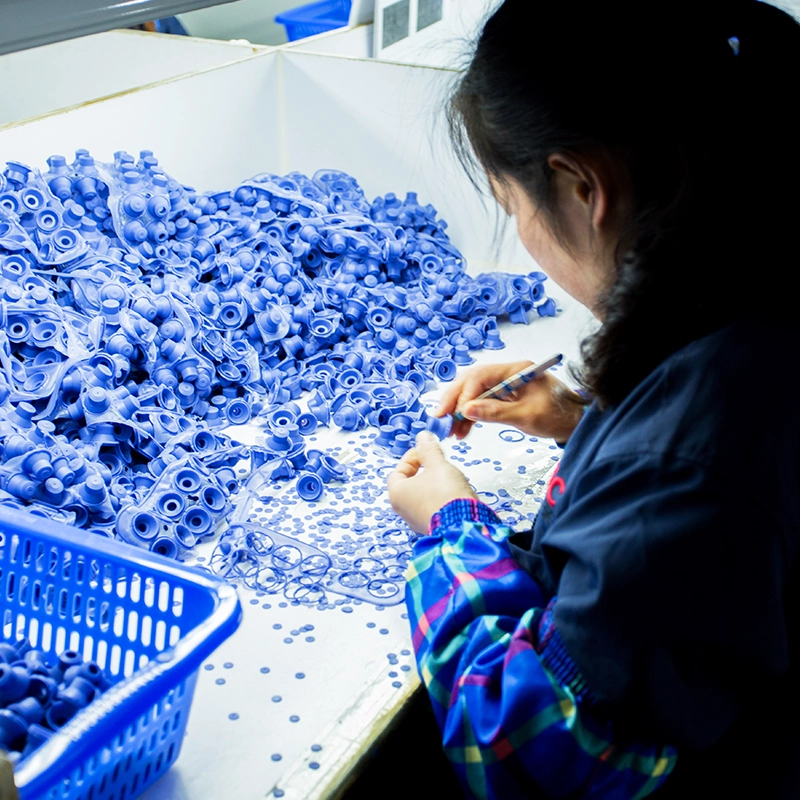
Application Scenarios
Silicone ice cube trays are widely used across different industries:
- Beverage brands (whiskey, cocktails, specialty ice shapes)
- Hospitality and restaurant supply chains
- Kitchenware retail and e-commerce brands
- Promotional and custom branding products
- Home and premium lifestyle product lines
Their flexibility and customization potential make them ideal for both functional and marketing-driven applications.
Silicone vs. Plastic Ice Cube Trays
| Factor | Silicona | Plastic |
|---|---|---|
| Flexibility | High | Low |
| Durability | Long-lasting | Prone to cracking |
| Ice Release | Easy | Often difficult |
| Resistencia a la Temperatura | Wide range | Limited |
| Customization | Strong | Limited |
| Cost | Higher upfront | Lower upfront |
Difference summary: Silicone offers better durability and usability, while plastic focuses on lower cost. For premium markets, silicone is the preferred choice.
Purchasing Advice for B2B Buyers
When sourcing silicone ice cube trays, focus on long-term value rather than just unit price.
Key considerations:
- Material type (platinum vs peroxide cured)
- Mold design (cube size, lid fit, release performance)
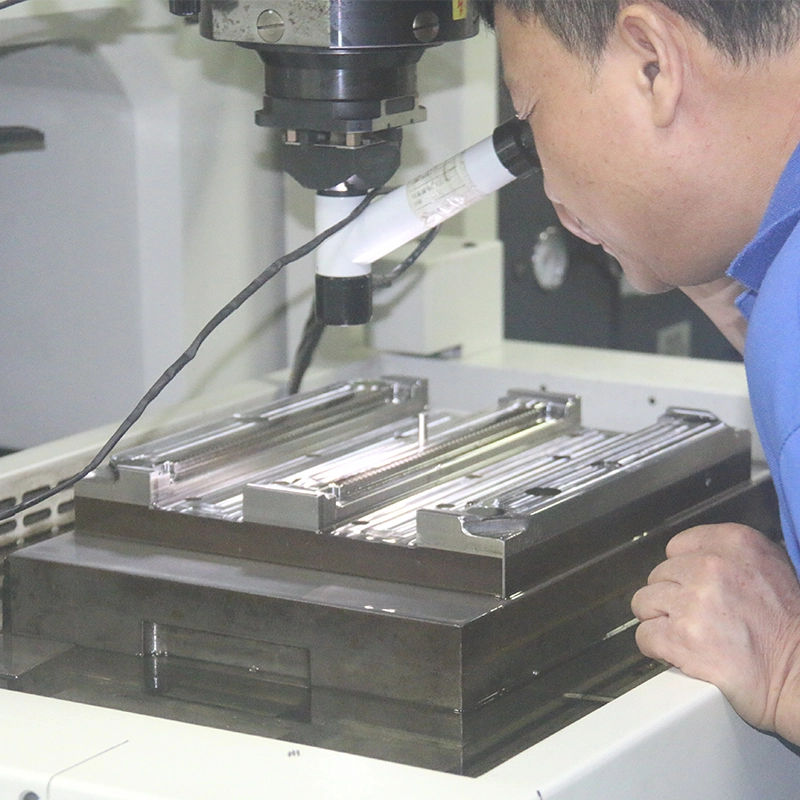
- Production capability of the manufacturer
- Certification (FDA, LFGB compliance)
- Customization options (logo, color, packaging)
- MOQ and lead time
- Quality control process
Working with experienced OEM/ODM service providers ensures that your product meets both functional and branding requirements.
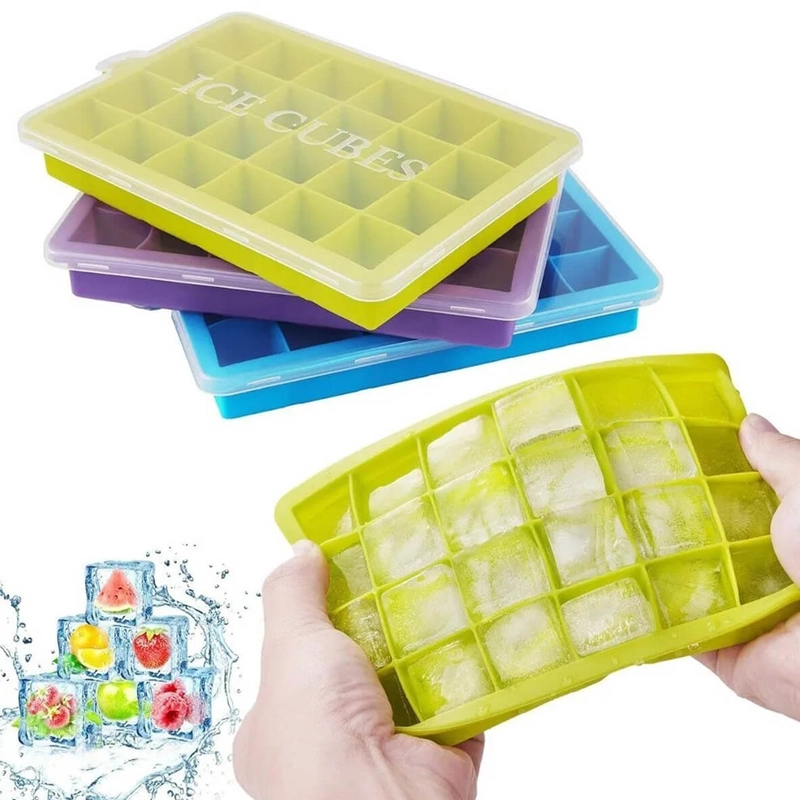
Why Choose Our Silicone Ice Cube Trays
At Milosilicone, we focus on delivering durable, high-quality silicone products tailored for global markets.
Our advantages:
- Advanced material selection for longer lifespan
- Precision mold design for easy release and structural stability
- Strong customization capabilities for branding and packaging
- Reliable mass production with strict quality control
- Full OEM/ODM service from concept to delivery
We help brands reduce product failure rates while improving user experience and market competitiveness.
FAQ
How long do silicone ice cube trays typically last?
Most high-quality trays last between 3 to 7 years or longer with proper use.
What factors affect the lifespan of silicone ice cube trays?
Material quality, usage habits, temperature exposure, and mechanical stress all play key roles.
Are silicone ice cube trays dishwasher safe?
Yes, most food-grade silicone trays are dishwasher safe, though gentle cleaning can extend lifespan.
Can silicone ice cube trays be used in ovens?
Yes, they are typically safe from –40°C to 230°C, making them suitable for baking as well.
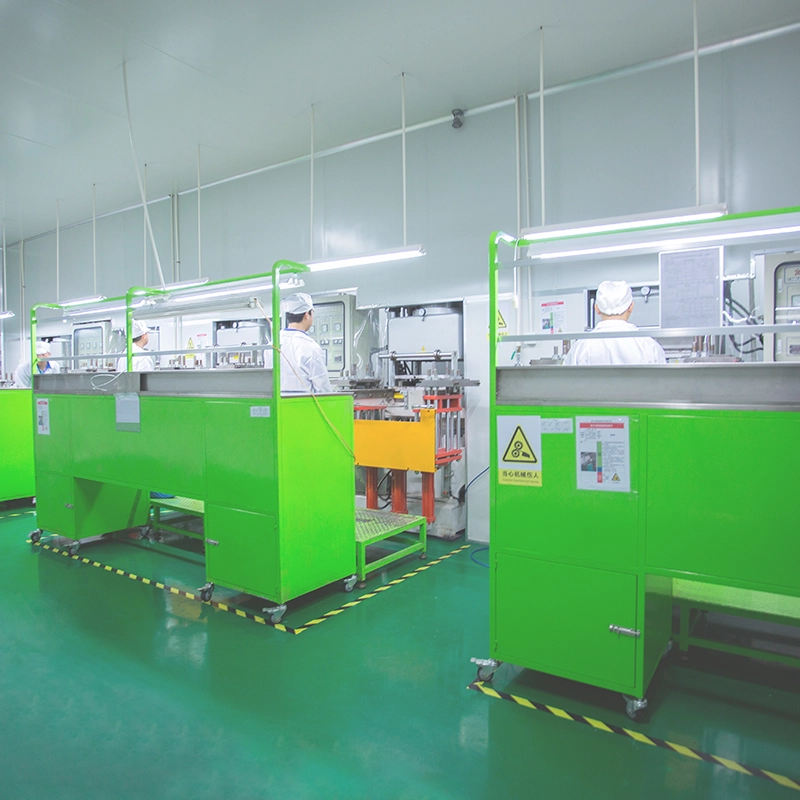
Conclusion
Silicone ice cube trays are a durable, flexible, and versatile solution for both household and commercial use. Their long lifespan, excellent thermal resistance, and strong customization potential make them a preferred choice for modern kitchenware brands.
At Milosilicone, we are committed to helping you develop reliable, market-ready silicone ice molds with full OEM/ODM service support. If you are planning to launch or upgrade your product line, feel free to reach out and share your requirements. What type of silicone ice tray are you looking to develop?