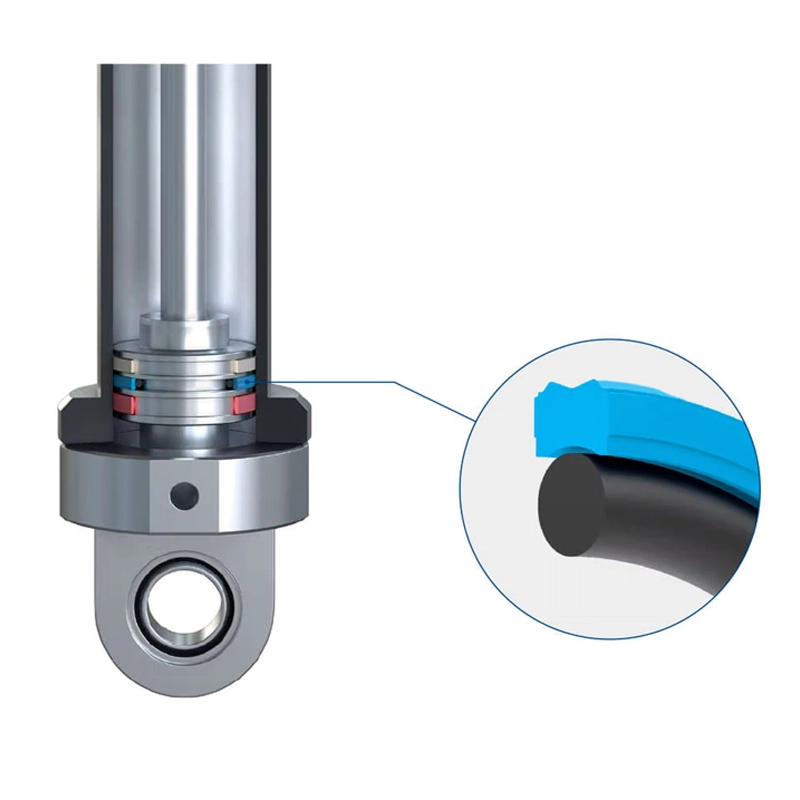
When it comes to hydraulic and pneumatic systems, piston seals are a critical component to ensure smooth and efficient operation. These seals prevent leaks, maintain pressure, and reduce the risk of contamination, but not all piston seals are made for the same purpose. Understanding the difference between single-acting and double-acting piston seals is essential for selecting the right one for your application.
In this post, we’ll break down these two types of seals in a straightforward, no-nonsense manner to help you make an informed decision.
What are Piston Seals?
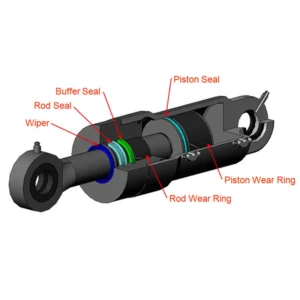
Before diving into the details of single-acting and double-acting piston seals, let’s quickly review what they do. Piston seals are used in hydraulic and pneumatic cylinders to keep fluids in (or out) and to prevent leakage during the movement of the piston. These seals are designed to withstand high pressure, extreme temperatures, and abrasive conditions, making them essential in everything from industrial machinery to automotive applications.
Single-Acting Piston Seals: Simplicity with Limitations
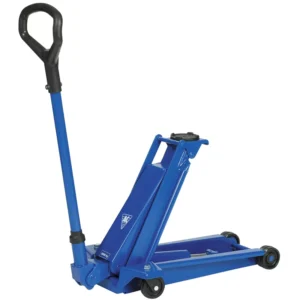
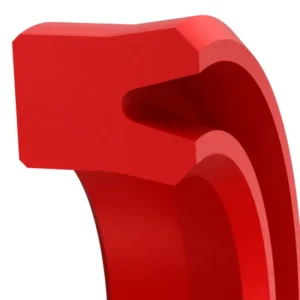
Single-acting piston seals are designed to seal pressure on one side of the piston only. These seals are typically used in applications where the fluid pressure only acts on one side of the piston during operation, like in hydraulic jacks or lifting cylinders.
Key Features of Single-Acting Seals:
-
Pressure Application: Only on one side of the piston.
-
Common Use: Systems that move in one direction (e.g., lifting equipment, presses).
-
Material Cost: Generally less expensive to produce.
Advantages:
-
Cost-Effective: The simpler design and limited functionality mean single-acting seals are often more affordable than their double-acting counterparts.
-
Low Maintenance: With fewer components in the design, these seals generally experience less wear and tear.
-
Ideal for Simple Applications: They’re perfect for situations where the piston needs to extend and hold in place without needing to retract under pressure.
Disadvantages:
-
Limited Flexibility: Since single-acting seals only handle pressure from one side, they’re not suitable for systems requiring bidirectional movement.
-
Not Ideal for High Loads: If your system is subject to high or variable pressures, these seals may fail sooner due to the increased wear.
When to Use Single-Acting Seals:
-
Low-Pressure, One-Directional Movement: If your application requires the piston to move in only one direction (extend, not retract) and under relatively low pressure, single-acting piston seals are a reliable, cost-effective option.
-
Equipment like Jacks or Lift Cylinders: These seals are commonly used in applications where the seal does not need to perform under high load or retract pressure.
Double-Acting Piston Seals: Built for Tougher Jobs
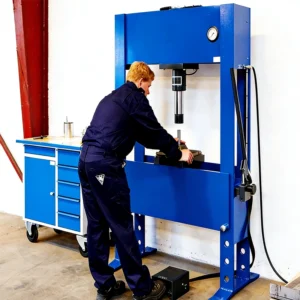
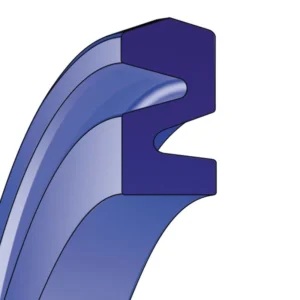
On the other hand, double-acting piston seals are designed to handle pressure from both sides of the piston. These seals are often used in applications where the piston moves back and forth under pressure, such as in hydraulic cylinders used for heavy-duty lifting, industrial presses, and systems requiring bidirectional motion.
Key Features of Double-Acting Seals:
-
Pressure Application: Can handle pressure on both sides of the piston.
-
Common Use: Applications requiring bidirectional motion and high performance.
-
Material Cost: More complex and expensive to manufacture than single-acting seals.
Advantages:
-
Bidirectional Functionality: Ideal for systems where the piston must extend and retract with equal force, such as in automated machinery, presses, or hydraulic systems used in construction.
-
Stronger Load Capacity: Double-acting seals are built to handle higher loads and pressures, making them more suitable for heavy-duty applications.
-
Versatility in Harsh Environments: These seals can be designed to withstand harsher conditions, such as high pressures, extreme temperatures, and more demanding operational cycles.
Disadvantages:
-
Higher Cost: More complex in design and materials, double-acting piston seals are generally more expensive than single-acting seals.
-
Increased Wear: With pressure on both sides of the piston, these seals are subject to greater wear, which can lead to a shorter lifespan if not properly maintained.
-
More Complicated Installation and Maintenance: Due to the increased number of components and the requirement for more precise alignment, installation and maintenance can be more involved.
When to Use Double-Acting Seals:
-
High Load, Bidirectional Applications: If your system requires high pressure and the ability to move in both directions, such as in automated manufacturing systems, hydraulic lifting platforms, or industrial presses, double-acting piston seals are the right choice.
-
Heavy-Duty Machinery: These seals are best suited for applications where failure is not an option, and maximum durability is needed under challenging conditions.
Making the Right Choice: Single-Acting vs Double-Acting Piston Seals
Now that we’ve laid out the pros and cons of both options, the key takeaway is this: Single-acting seals are perfect for simpler systems where cost and ease of maintenance are the primary concerns. They work well in low-pressure, one-directional applications, such as jacks, pumps, and some lifting equipment.
However, if your application requires bidirectional movement, higher pressures, and increased durability, double-acting seals are the way to go. They are best suited for heavy-duty equipment, automated machinery, and systems where the piston must handle pressure on both sides — and where failure is not an option.
How Milosilicone Can Help You Choose the Right Seal
At Milosilicone, we specialize in Flüssigsilikonkautschuk (LSR), an ideal material for sealing applications requiring flexibility, durability, and precision. While we’re more known for creating silicone products for industries like medical devices, baby care products, and kitchenware, we also understand the importance of selecting the right material and design for sealing applications.
Whether you need LSR seals for sensitive medical devices or high-performance components for industrial machinery, our advanced molding capabilities ensure you get the best material and design for your needs. If you’re unsure about which seal to choose for your project, our team of experts is ready to help guide you toward the best solution.